Get a Quote
Menu

 Content
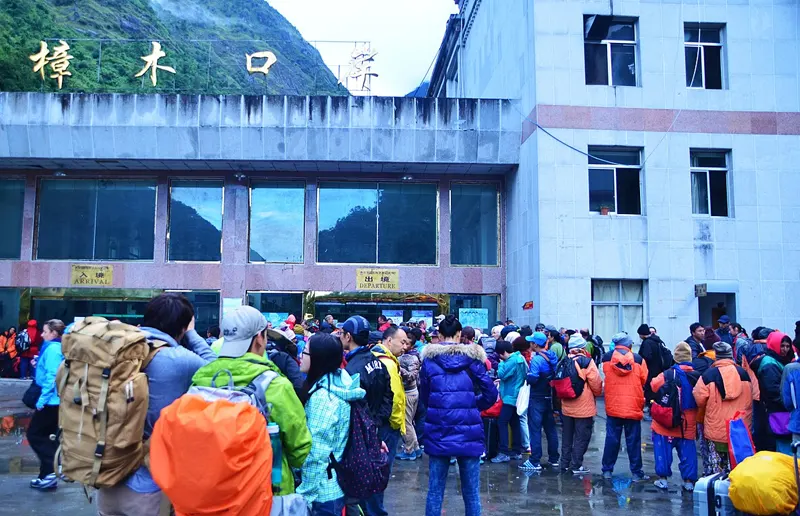
Latest News: Due to the closure of Gyirong Port, Zhangmu Port has been temporarily reopened for tourists to enter Tibet from Nepal on Jul.15,2025.
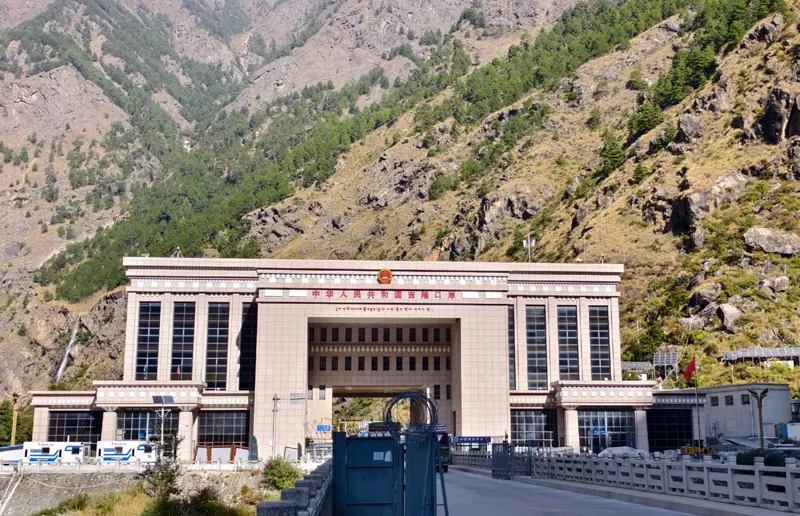
Zhangmu Port, nestled along the steep Himalayan slopes, has long been a vital gateway for travelers journeying to sacred Mount Kailash from Nepal. This historic border crossing presents pilgrims with a more adventurous route compared to newer alternatives, featuring breathtaking gorge scenery and rich cultural heritage. Whether you seek spiritual fulfillment or mountain adventure, Zhangmu Port offers a unique starting point for your Tibetan pilgrimage. While currently not operational for tourist crossings, Zhangmu Port could potentially reopen for pilgrimage travel. This legendary route may again offer travelers an alternative access point to Tibet’s sacred sites.
Location: Zhangmu Town, Nyalam County, Shigatse City, Tibet Autonomous Region, China
Altitude: approximately 2,300 meters (7,546 feet) above sea level
Open Time: Currently undergoing upgrades (historically operational pre-2015)
Status: historically, an important trade and cultural exchange route between Tibet and Nepal
Nearest Border Crossing Point: Kodari (Friendship Bridge) in Nepal
Nyalam Ancient Tea Horse Road: Well-preserved stone pathways where traders once transported tea and horses
between, offering glimpses into centuries-old commerce routes.
Milarepa’s Cave: Revered meditation site where the legendary Buddhist master achieved enlightenment, featuring
ancient rock carvings and colorful prayer flags.
Bhote Koshi Gorge: Towering 2,000m canyon walls frame cascading waterfalls along this dramatic river gorge, among
the world’s deepest canyons.
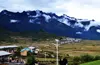
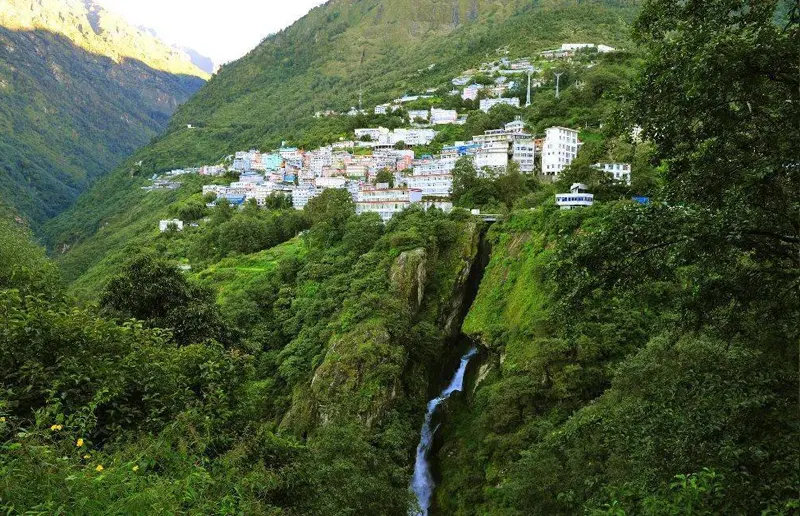
Zhangmu Waterfall Town: Cliffside settlement where buildings cling to steep slopes amid dozens of waterfalls,
creating a misty, magical atmosphere.
Lalung La Pass (5,120m): High-altitude viewpoint revealing sweeping Himalayan vistas, including distant Everest
peaks on clear days.
In Zhangmu Town, a variety of services are available to meet the different needs of travelers.
Accommodation options at Zhangmu Port are limited to basic guesthouses that primarily cater to local traders and truck drivers, offering simple rooms with shared bathrooms and minimal heating. The following hotels around Zhangmu Port offer comfortable stays:
Hotel Nyala Muweizhi: Offers comfortable rooms and modern facilities, suitable for travelers seeking convenience
in Nyalam County.
Jinting Hotel: Known for its clean accommodations, providing a cozy place to rest and acclimatize to the
environment.
No.9 Guest House: A budget-friendly option with a homely atmosphere, ideal for backpackers or those looking for
affordable and authentic lodging.
The dining scene features authentic Tibetan-Nepalese fusion cuisine, with must-try local specialties including curries, noodles, momos, while several small restaurants now offer simple Chinese and Western dishes adapted for foreign palates.
Menbuxiang Sichuan Restaurant: Specializes in spicy Sichuan dishes, serving flavorful dishes loved by visitors
craving bold flavors.
Bailang Tibetan Restaurant: Offers traditional Tibetan cuisine like yak meat dishes and butter tea, allowing
guests to experience local culinary culture.
Qilu Dumplings: Specializes in traditional Chinese dumplings with homemade fillings, offering a comforting and
hearty meal.
Along the way, you may have the chance to buy some souvenirs and handicrafts from locals. It’s strongly advised to change some cash in CNY in advance.
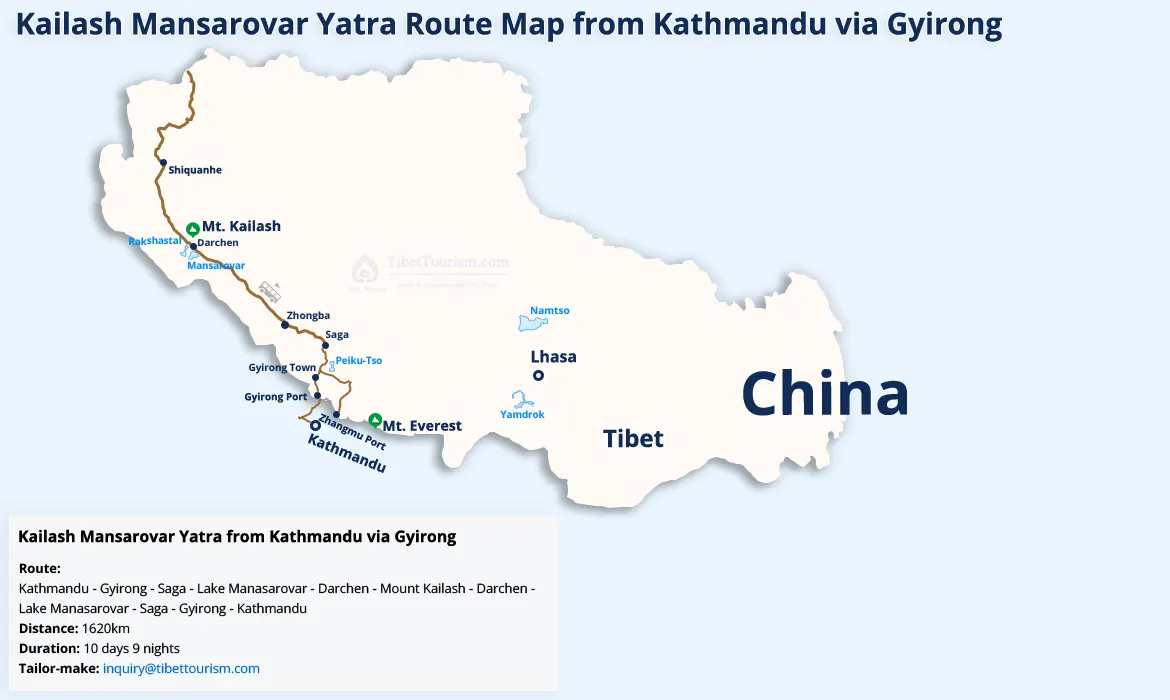
The journey from Kathmandu to Zhangmu Port unfolds as one of the most dramatic border crossings in the Himalayas, offering travelers a view of region’s raw natural beauty and challenging terrain. Covering approximately 115 kilometers, this 5-6 hour drive follows the historic Araniko Highway, a route that has connected Nepal and Tibet for centuries through trade and pilgrimage. The adventure begins in Kathmandu’s bustling streets, with vehicle traveling through the Bhote Koshi River gorge - a landscape that transforms dramatically as the road clings to sheer cliff faces. The route culminates at the iconic Friendship Bridge. The recent infrastructure improvements have made the road more navigable, providing a captivating introduction to Tibet’s rugged yet stunning terrain, with each turn revealing new perspectives of the land.
Day 1: Kathmandu-Zhangmu Port-Nyalam
The journey begins with an early morning departure from Kathmandu, winding through Nepal’s hills before
descending into the dramatic Bhote Koshi Gorge. After completing border formalities at Kodari’s Friendship
Bridge by noon, travelers continue to Zhangmu. The day concludes in Nyalam (3,700m), where travelers can spend
the night acclimatizing to the altitude.
Day 2: Nyalam-Saga
Today’s 7-8 hour drive traverses the breathtaking Lalung La Pass (5,120m), where panoramic views may reveal
Everest's north face on clear mornings. Descending through alpine meadows, the route passes the shimmering
turquoise waters of Peiku Tso Lake, a perfect lunch spot surrounded by snow-capped peaks. The afternoon drive
crosses vast Tibetan plateaus dotted with tranquil villages and nomadic tents before reaching Saga (4,600m).
Day 3: Saga-Darchen
The scenic 5-6 hour drive traverses the vast Saga Valley, where the Himalayan landscape unfolds in all its
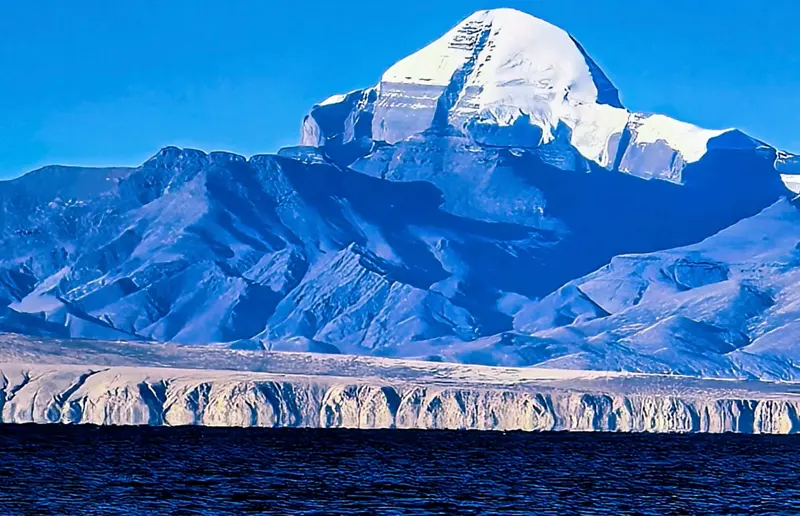
grandeur. Along the way, the first breathtaking views of sacred Lake Mansarovar appear, its tranquil blue waters
reflecting the surrounding peaks. The majestic sight of Mount Kailash soon dominates the horizon, its
distinctive shape inspiring awe. Upon reaching Darchen, pilgrims settle into their lodgings and prepare
spiritually for the coming journey, perhaps visiting the local monastery or walking through the vibrant pilgrim
town.
Day 4: Kailash Parikrama Begins
Today starts the sacred circumambulation, following ancient paths walked by pilgrims for centuries. The route
winds through stunning valleys with ever-changing views of Mount Kailash. Along the way, holy sites and
meditation caves offer opportunities for quiet reflection. This spiritual journey combines physical challenge
with deep meaning, as pilgrims from various traditions walk together in reverence.
Preparing the necessary travel documents for entering Tibet from Nepal through Zhangmu Port requires special attention due to multiple regulatory requirements. International travelers must first obtain a Chinese Group Visa, which can only be processed in Kathmandu through authorized agencies. In addition to this, visitors need to secure a Tibet Travel Permit prior to arrival. For those planning to visit restricted areas like Mount Kailash and Lake Mansarovar, two additional permits are mandatory: the Aliens’ Travel Permit and the Military Area Entry Permit. The application process involves submitting passport copies, detailed itineraries, and other supporting documents, which typically takes 15-20 working days for approval.
It is highly recommended to engage a reputable tour agency specializing in Tibet travel like Tibet Horizon. We will handle the entire permit application process, ensuring all documentation meets government requirements. Early planning is crucial—begin the visa and permit procedures at least one month before your intended departure date to account for processing times and potential delays.
Notice: Instead of China Group Visa, travelers can hold Chinese Tourist Visa (L-Visa) to enter Tibet from Nepal.
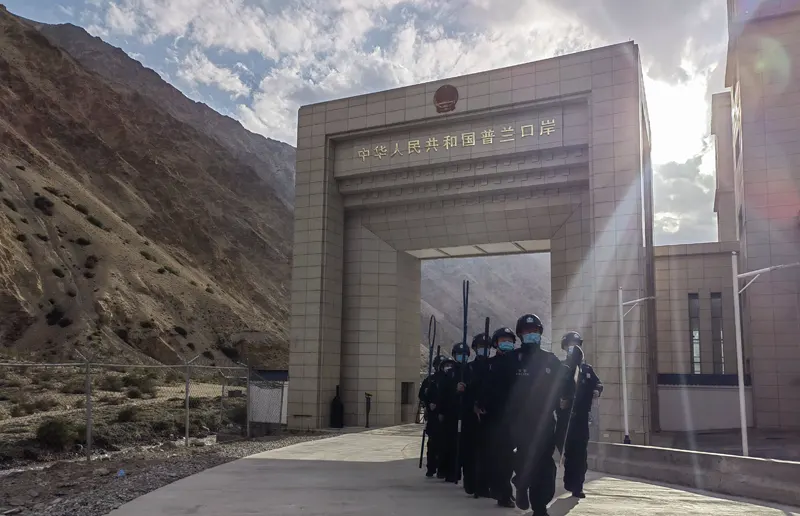
As of now, there is no official announcement regarding the reopening date of Zhangmu Port (Kodari border crossing) for international travelers. The port has remained closed to tourists since the 2015 earthquakes, though it briefly reopened for limited trade in 2019. Chinese authorities continue infrastructure upgrades in the area, including road improvements and border facility renovations, suggesting potential future reopening. However, the timeline remains uncertain, with no confirmation from either the Chinese or Nepalese governments. Travelers should monitor updates from official sources like the Tibet Tourism Bureau or consult licensed tour operators for the latest information.
Preparing the right gear is vital for ensuring a comfortable Nepal to Kailash pilgrimage tour. Given the extreme temperature fluctuations, pack multiple warm layers—including thermal base layers, insulated mid-layers, and a waterproof outer shell. Don’t forget cold-weather accessories like gloves and a thermal hat. For footwear, bring a pair of hiking boots or sneakers for trekking. High-altitude sun exposure demands strong protection: UV-blocking sunglasses, high-SPF sunscreen, and a wide-brimmed hat are indispensable. Staying hydrated is critical, so bring a reusable water bottle and energy-boosting snacks. A well-stocked first-aid kit should include altitude sickness medication (such as Diamox), pain relievers, and remedies for common travel ailments.
The optimal time for traveling from Nepal to Mount Kailash via Zhangmu Port is between April and October. During these months, weather conditions are generally favorable with stable temperatures and minimal precipitation, making the challenging journey through the Himalayan terrain more manageable. The route remains accessible, and the risk of landslides or road closures is significantly reduced compared to winter months. From November to March, harsh winter conditions with heavy snowfall and freezing temperatures make the high-altitude passes extremely dangerous and often impassable, leading to frequent border closures.
The rapid ascent from Kathmandu (1,400m) to Kailash (6,638m) via Zhangmu (2,300m) demands careful acclimatization. Spend 1-2 nights in Nyalam (3,700m) before proceeding higher altitude while avoiding overexertion. Watch for early symptoms like headaches, nausea, or dizziness; these typically ease with rest and hydration. Avoid alcohol and heavy meals and do not wash your hair in the initial days. You can bring some medications for altitude sickness.
Zhangmu Port represents a rewarding option for Kailash pilgrims when operational, offering a more direct route with spectacular scenery. While currently undergoing improvements, this historic crossing may again serve travelers seeking an authentic Himalayan experience. With proper preparation, a journey through Zhangmu Port could provide an unforgettable pilgrimage experience. Follow us and we will update news about Zhangmu Port.
25 years exp.| 5.0
 | 34 Reviews
Tell me about your travel plan or contact me via inquiry@tibettourism.com

Miss. Miller from Italy, asked on May 22nd, 2025
Benefits of entering Tibet via Zhangmu Port
Why consider Zhangmu as the entry point for Tibet Kailash tour if it reopen?

Mr. Tenzin Jamphel from Tibet Horizon, answered on May 22nd, 2025
Dear Miller, Thank you for your inquiry! Zhangmu Port offers a more direct and historically significant route to Mount Kailash compared to Gyirong or Purang. The China-Nepalese Highway, a key transportation artery linking Tibet of China and Nepal, converges at Zhangmu Port, providing a convenient passage for trade between the two nations. After post-disaster reconstruction, the infrastructure of this road is believed to be more complete, and the road conditions will see improvements. For experienced travelers, Zhangmu’s raw beauty and the adventurous overland experience character offers an exciting opening chapter of Kailash tour.

 inquiry@tibettourism.com


































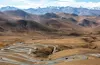







































 Mount Kailash and Lake Mansarovar
 Zhangmu Waterfall Town
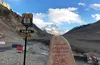
 Zhangmu Port