1. What to see in Shanghai?
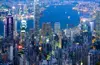
Shanghai, an international metropolis situated on the southern estuary of the Yangtze River, offers many worth-visiting sites for travelers.
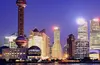
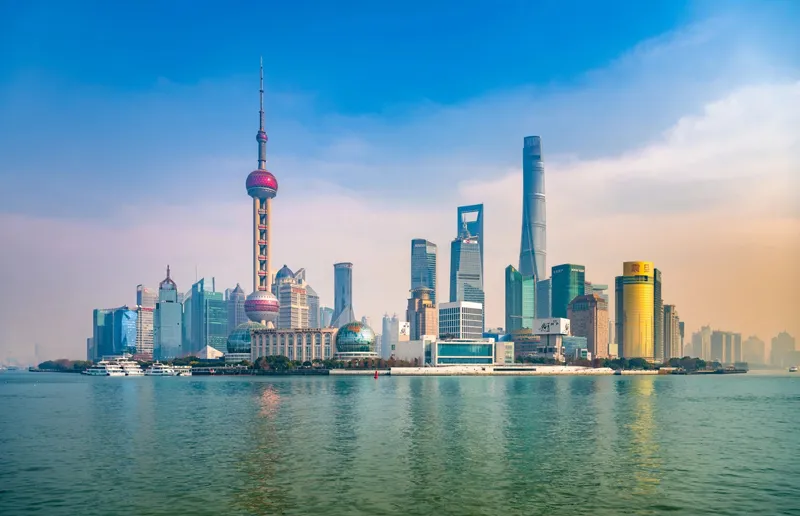
The Bund: Stroll down the bustling road, and you can see the unique buildings constructed in a variety of styles including Gothic, Romanesque and Baroque. It's also a perfect place to view the Huangpu River and Oriental Pearl Tower across the river.
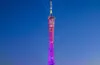
Oriental Pearl Tower: The 469-meter-tall building is a must-visit in Shanghai. It's located in Pudong Park on the east bank of the Huangpu River. You can have a superb view of the river and the busy city.
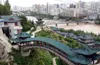
Yu Garden: This splendid complex covers an area of more than 20,000 square meters and consists of an outer and an inner garden with pavilions, decorative stones, small ponds, and even a richly decorated theatrical stage.
2. What to see on Shanghai-Lhasa train?
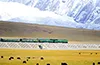
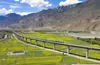
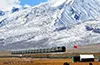
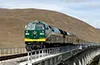
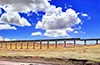
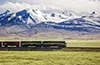
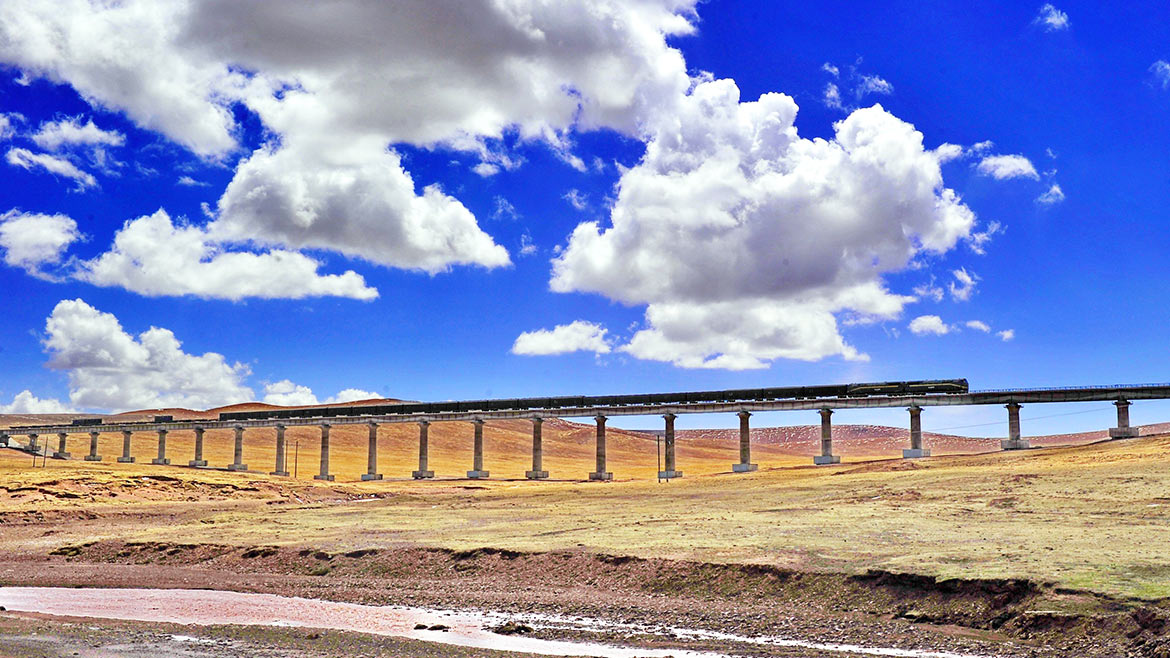
The Tibet train from Shanghai to Lhasa offers beautiful views along the way.
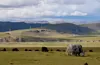
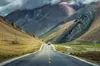
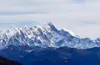
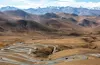
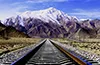
Qilian Mountains: When the train heading towards Xining, you can see the continuous Qilian Mountains with grassland, glaciers, meadows, forests, and wildlife. The view will gradually change into a colorful Danxia landform, showing you the beauty of northwestern China.
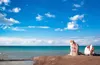
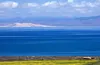
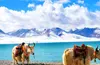
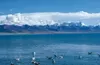
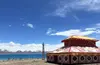
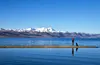
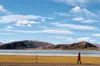
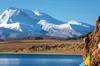
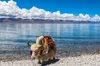
Qinghai Lake: As the train departs Xining, you will be greeted by Qinghai Lake. Located in the northeast of the Tibetan Plateau, it is China's largest alkaline salt lake. The heavenly blue lake is like a sapphire set in the land. The lake is located at the intersection of several bird migration routes. You may witness many species here during migration.
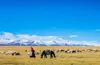
Kekexili: Situated in the northwest part of the Qinghai-Tibet Plateau, it's one of the largest and highest nature reserves in China, home to many rare species such as snow leopards, Tibetan antelope, and wild yaks.
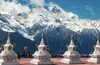
Tuotuo River: Originating from the glaciers of Jianggendiru Snow Mountains, the highest peak of the Tanggula Mountain range, Tuotuo River is the official headstream of the Yangtze River.
3. What permits are needed to travel Tibet from Shanghai?
To visit Tibet from Shanghai, travelers typically need the following permits:
Tibet Travel Permit: This permit is issued by the Tibet Tourism Bureau (TTB) and is required for all foreign travelers visiting Tibet.
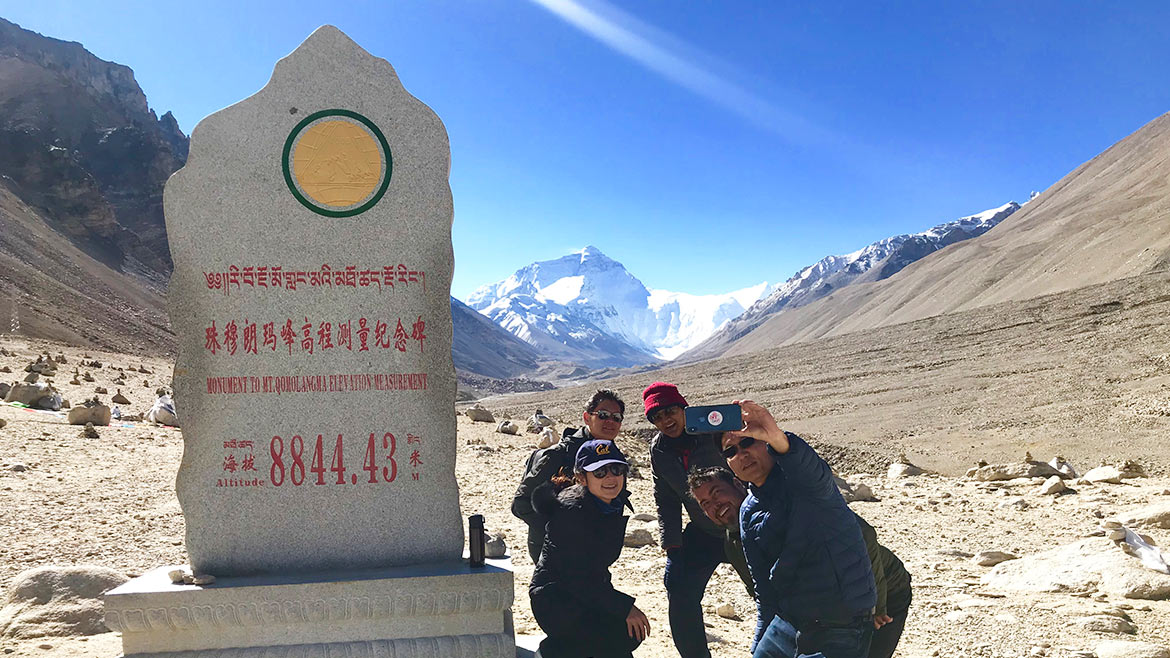
Aliens' Travel Permit: Travelers traveling to partially restricted areas such as EBC, Basumtso Lake, Samye Monastery, etc. need to obtain Aliens' Travel Permit via Tibet Travel Agency (like Tibet Horizon).
Military Area Entry Permit: If you want to extend you trip to military-sensitive areas such as Mount Kailash, Lake Manasarovar, etc. or want to traveling along the G318 Highway, you need to apply for a Military Area Entry Permit.
Our Xizang tour packages include Tibet Travel Permit and all the necessary Tibet travel documents. If you book with us, we'll help apply for the permits needed to ensure a smooth and worry-free Shanghai Tibet tour.
4. What is the best time to visit Tibet from Shanghai?
The climate of Shanghai is temperate, with relatively cold winters and rainy summers. The precipitation mounts to 180 millimeters in June. Therefore, the best time to visit Tibet from Shanghai is generally from April to May and from September to October. During these months, the weather is relatively stable, with clear skies and mild temperatures, making it ideal for enjoying the stunning views. Also, you can experience the grand Saga Dawa Festival in May. In summer, the weather may be rainy, but tourists can witness the celebration of Shoton Festival. Winter in Tibet is not as cold as you might think and you can enjoy a lower cost of transportation and accommodation and feel less crowded as there are fewer tourists. Also, Losar, the Tibetan New Year, often falls in February or March.
5. Where to stay in Tibet?
Major Tibetan cities like Lhasa, Shigatse, and Nyingchi offer more diverse options from 3-to 5-star hotels to local guesthouses. They provide basic to luxury facilities, all ensuring a comfortable stay. For private travelers, you can choose according to your standards. However, in remote areas like EBC and Mt. Kailash, only cozy tents and guesthouses are available.
6. What to eat during Shanghai Tibet Tours?
Shanghai cuisine places emphasis on the original flavors of raw ingredients while utilizing condiments to enhance the taste. Soy sause is often used in dishes. Famous dishes include red braised pork belly, sweet and sour spareribs, shengjianbao, etc. Then, moving to Tibet, you can find unique Tibetan and Nepali cuisines there. Tibetan dishes include yak hotpot, sweet tea, butter tea, roasted pig, tsampa, and barley wine. Nepali dishes feature chicken masala and various curries. You can find specialties of other Tibetan prefectures and cities such as stone pot chicken, a specialty of Nyingchi. You can also find Indian dishes and Western-style dishes in Lhasa.
7. How to deal with possible altitude sickness?
Traveling on the Tibet Plateau with an average altitude of over 4,000 meters, it's common for some tourists to experience altitude sickness. The symptoms of altitude sickness can include headache, nausea, and dizziness.
To minimize the effect of altitude sickness, it is important to allow time to acclimate to the high altitude and to take precautions to prevent altitude sickness. Travelers should drink plenty of water, eat light meals, and avoid alcohol or caffeine. It is also recommended to take a slow path in the first two days after entering Tibet, avoiding strenuous activities like running.
If you feel uncomfortable, tell your guide. We have prepared oxygen tanks in our vehicles. You can inhale oxygen and take medication when necessary. If symptoms of altitude sickness persist or worsen, we'll help transfer you to the hotel or hospital to seek medical attention immediately.

 inquiry@tibettourism.com