Get a Quote
Menu

 Content
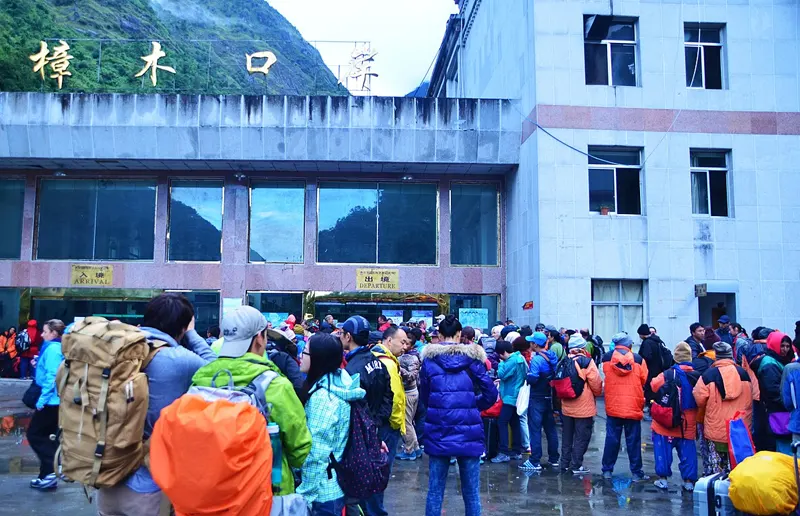
Latest News: Due to the closure of Gyirong Port caused by damage to the China-Nepal Friendship Bridge, Zhangmu Port has been temporarily reopened on July 15, 2025, allowing tourists to enter Tibet from Nepal.
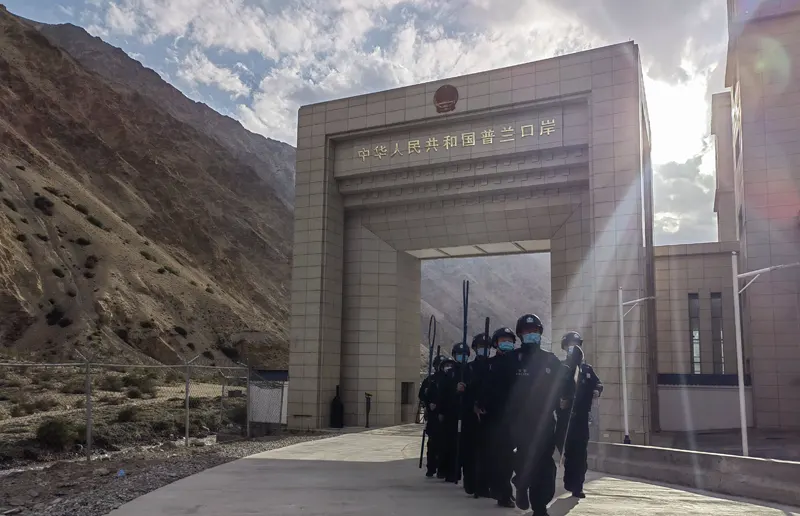
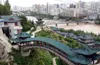
Nestled in the heart of the Himalayas, Gyirong Port stands as a vital gateway for travelers embarking on the sacred journey to Mount Kailash from Nepal. Its strategic location near the Nepal-China border makes it a crucial hub for travelers heading to Mount Kailash. This border crossing trip, with its stunning natural beauty and rich cultural heritage, offers a unique and less-traveled route compared to other entry points into Tibet. Whether you’re a pilgrim seeking spiritual fulfillment or an adventurer drawn to the rugged landscapes, Gyirong Port provides an unforgettable starting point for your Tibet tour. This article delves into everything you need to know about Gyirong Port, from its historical significance to practical travel tips, ensuring you’re well-prepared for this extraordinary Nepal to Tibet trip.
Location: Gyirong Town, Gyirong County, Shigatse City, Tibet Autonomous Region, China
Altitude: approximately 1,800 meters (5,900 feet) above sea level
Open Time: 2017
Status: international port, a key trade and cultural exchange route between Tibet and Nepal
Nearest Border Crossing Point: Rasuwa Gadhi in Nepal
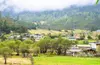
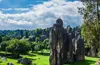
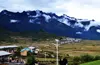
Gyirong Valley: A lush, biodiverse valley with cascading waterfalls, dense forests, and rare wildlife, offering
breathtaking Himalayan scenery.
Gyirong National Nature Reserve: A protected area with diverse flora and fauna, including rare species like red
pandas and Himalayan monals.
Paba Monastery: A serene Tibetan Buddhist monastery nestled in Gyirong Valley, known for its ancient murals,
peaceful atmosphere, and stunning mountain views.
Jipu Village: A popular tourist spot where you can see the picturesque Jifu Canyon and Jifu Bridge connecting the
village with the outside world.
Mount Shishapangma: The 14th highest mountain in the world (8,027m), visible from Gyirong, attracting trekkers
and adventure seekers.
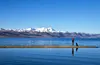
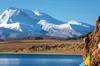
Lake Peiku Tso: A pristine alpine lake near the Nepal-Tibet border, famous for its turquoise waters and
reflections of snow-capped peaks.
Local Villages: Traditional Himalayan settlements where visitors can experience local culture, handicrafts, and
warm hospitality.
In Gyirong Town, a variety of services are available to meet the diverse needs of travelers.
When it comes to accommodation, guests can choose from local guesthouses and hotels that offer basic yet cozy places to stay. Although the facilities might not be as elaborate as those found in major urban centers, the genuine warmth and hospitality extended by the hosts make up for any shortcomings. Here are some top-rated hotels in Gyirong:
Yuntian Intercontinental Hotel: A luxurious choice, it offers well-equipped rooms with modern amenities. Its
prime location provides easy access to local attractions in Gyirong.
QoMoLangZong Hotel Kayrung: A top-rated choice in the heart of town, offering modern rooms with panoramic views
of Gyirong and nearby snow mountains.
Jilong FuYang Hotel: Renowned for its comfortable accommodation and friendly service. It provides a convenient
stay for travelers exploring the area around Gyirong Port.
For dining, Gyirong presents a delightful culinary journey. Travelers can savor authentic Tibetan and Nepalese dishes, such as thukpa soup, momos, and yak meat. These local flavors are sure to excite and satisfy your taste buds. Top-ranked restaurants in Gyirong include:
Mala Chuanqi (Spice Legend): Specializes in spicy Sichuan-style cuisine, serving mouth-numbing and flavorful
dishes that will delight spicy food lovers.
Wudao Caiguan (Five Dishes Restaurant): Offers a diverse menu with a focus on a selection of carefully crafted
dishes, presenting a blend of local and regional flavors.
Chongqing Longmenzhen Hotpot: Famous for its authentic Chongqing-style hot pot, featuring a rich and spicy broth
and a wide range of fresh ingredients for diners to enjoy.
Additionally, for those who wish to bring home some mementos, there are small shops around the port that sell traditional handicrafts and other souvenirs.
The journey from Kathmandu to Gyirong Port spans approximately 175 kilometers and takes around 9 hours, depending on road conditions. The route winds through breathtaking landscapes, from lush valleys to towering mountain passes, offering a visual feast for travelers. While the roads can be challenging, especially during the monsoon season, the adventure is well worth it. Private jeeps and shared buses are the most common modes of transportation, with many tour operators in Kathmandu like Tibet Horizon offering tailored services for this route. Along the way, you’ll pass through tranquil Nepalese and Tibetan villages and cross the Friendship Bridge at the Nepal-China border, where the transition to Tibetan soil begins. The journey itself is an integral part of the experience, setting the tone for the spiritual and natural wonders that lie ahead.
Day 1: Kathmandu-Gyirong Port
Depart from Kathmandu early in the morning for a scenic drive to Gyirong Port. The journey takes you through
picturesque landscapes as you cross the Nepal-China border at Rasuwa Gadhi. Upon arrival in Gyirong Town, check
into your accommodation and spend the evening relaxing.
Day 2: Gyirong-Saga
Embark on a scenic drive from Gyirong to Saga, a journey that takes approximately 6-7 hours. Along the way, enjoy
breathtaking views of the Himalayan valleys, including majestic Mount Shishapangma and the serene Lake Peiku
Tso. Overnight in Saga.
Day 3: Saga-Darchen
Continue your journey with a drive from Saga to Darchen, covering a distance that takes about 5-6 hours. The
route takes you through the Saga Valley, offering your first glimpse of the sacred Lake Mansarovar and the
awe-inspiring Mount Kailash. Upon arrival in Darchen, check into your accommodation and spend the evening
preparing for the upcoming pilgrimage.
Day 4: Kailash Yatra Begins
Today marks the beginning of the Kailash Yatra, a spiritual and adventurous journey around Mount Kailash. This
itinerary from Nepal to Tibet perfectly balances adventure, spirituality, and the stunning beauty of the
Himalayan landscapes, making it an unforgettable experience for every pilgrim.
Traveling to Tibet requires careful preparation, especially regarding visas and permits. For international travelers traveling to Tibet from Nepal, a Chinese Group Visa is mandatory. You can apply it in Kathmandu. Tourists must also obtain a Tibet Travel Permit, which is arranged through a registered travel agency in Tibet like Tibet Horizon. Additionally, Aliens’ Travel Permit and Military Area Entry Permit are required for visiting Mount Kailash and Lake Mansarovar. The process can be complex, but reputable tour operators can handle the paperwork, ensuring a hassle-free experience. It's advisable to book your Nepal to Kailash tour and start the application process well in advance, as permits can take time to secure. Proper documentation is the key to a smooth journey, allowing you to focus on the adventure ahead.
Notice: Instead of China Group Visa, travelers can hold Chinese Tourist Visa (L-Visa) to enter Tibet from Nepal by flight to Lhasa or by road via Gyirong Border.
A well-prepared packing list is crucial for a smooth journey through Gyirong Port and Mount Kailash region. Given the rugged terrain and unpredictable weather, sturdy hiking shoes with ankle support are essential for the Kora trek. Layered warm clothing is a must—temperatures can drop below freezing, even in summer. Pack a windproof and waterproof jacket, thermal innerwear, gloves, and a warm hat. For high-altitude sun protection, bring sunglasses, sunscreen, and a wide-brim hat. Bring a reusable water bottles and energy snacks will help during long treks. Since electricity can be unreliable, carry power banks and spare batteries. Lastly, a basic first-aid kit with altitude sickness medication (like Diamox), pain relievers, and medicines for common illnesses can be lifesaving.
The best time to travel from Kathmandu to Mount Kailash via Gyirong Port is between April and October, when weather conditions are most favorable. April to June offers clear skies, blooming valleys, and moderate temperatures, ideal for trekking. July to August brings warmer weather but also occasional monsoon rains, which may cause road delays. September to October is peak season—cool, dry, and perfect for photography, though nights get colder. Winter (November to March) is harsh, with heavy snowfall often closing mountain passes and reducing transportation options. Since Gyirong sits at a lower altitude (1,800m) compared to other Tibet routes, it’s accessible earlier in spring and later in autumn, making it a flexible choice. However, always check current weather and road conditions before departure.
Gyirong Port’s lower elevation helps ease initial acclimatization, but the journey quickly ascends to Saga and Darchen (around 4,600m)—risking altitude sickness. To adapt safely, spend 1-2 nights in Gyirong Town before proceeding. Stay hydrate constantly by drinking 2-3 water daily and avoid alcohol, heavy meals, and overexertion. Symptoms like headaches, nausea, or dizziness are common. If these symptoms persist or worsen, inform your guide immediately or seek medical help. Carry Diamox (acetazolamide) as a preventive measure, but consult a doctor beforehand. Remember, listen to your body. Altitude affects everyone differently, and proper acclimatization ensures a safer, more enjoyable pilgrimage to Kailash.
Explosives and flammable materials such as fireworks, flares, gunpowder, gasoline, lighter fluid, and matches are strictly prohibited. Compressed Gases like aerosol cans are not allowed. Poisonous materials are banned. Also, during your stay in Nepal, please refrain from purchasing or carrying prohibited items such as turtle shells, rhinoceros horns, and pangolin scales. The Gurkha kukri (a type of knife) is a famous and unique handicraft in Nepal. However, it is strictly prohibited to carry a kukri when exiting Nepal and entering China. We suggest that tourists avoid carrying kukris to prevent unnecessary trouble during border checks.
Nepal to Tibet Kailash tour via Gyirong is a journey that blends adventure, spirituality, and cultural discovery. Gyirong Port’s unique landscapes, efficient facilities, and proximity to Mount Kailash make it an ideal choice for travelers seeking an off-the-beaten-path experience. Whether you’re drawn by the call of the mountains or the allure of Tibetan culture, this route promises an unforgettable adventure. As you plan your pilgrimage or exploration, consider the unparalleled opportunities this route offers. With the right preparation and guidance, your journey through Gyirong Port will be a transformative experience, leaving you with memories to cherish for a lifetime. If you’re interested in a lifetime journey from Kathmandu to Mount Kailash via Gyirong, don’t hesitate to contact us. Let us help you arrange the perfect trip, ensuring every detail is taken care of for your seamless passage into the heart of Tibet.
22 years exp.| 5.0
 | 54 Reviews
Tell me about your travel plan or contact me via inquiry@tibettourism.com

Mr. Chin from Thailand, asked on April 18th, 2025
The road conditions from Gyirong to Saga
Is the road from Gyirong Town to Saga fully paved? Is it prone to landslides during the rainy season?

Mr. Tsering Wangdue from Tibet Horizon, answered on April 18th, 2025
Mr. Chin, The road from Gyirong Town to Saga is mostly paved. Most sections of the route consisting of well-maintained asphalt, especially after recent upgrades. However, some sections near high-altitude passes or valleys may still have gravel surfaces. In case of heavy rainfall, landslides and road washouts can occur, particularly in areas like Peiku Tso Lake vicinity. Our local drivers will check real-time road conditions before departure.

 inquiry@tibettourism.com


































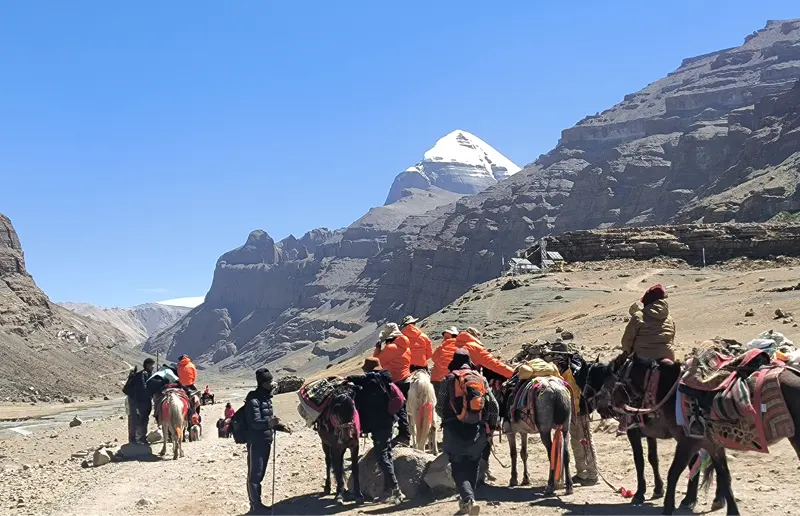 Mount Kailash Kora
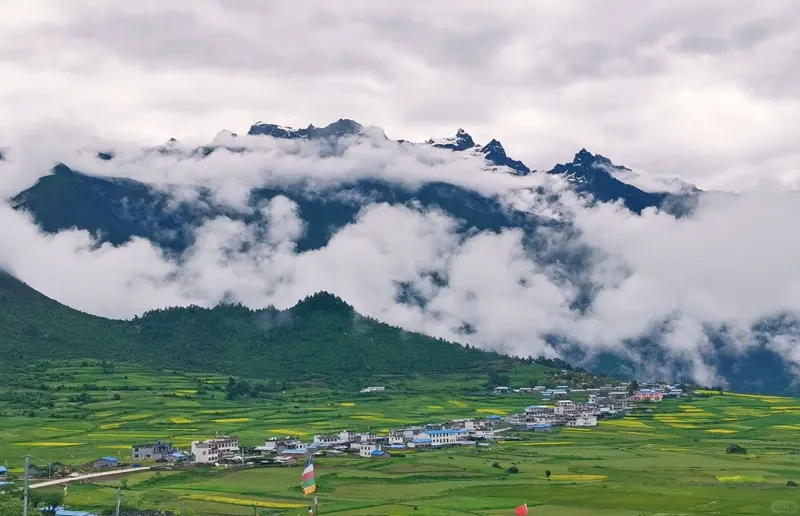 Gyirong Valley
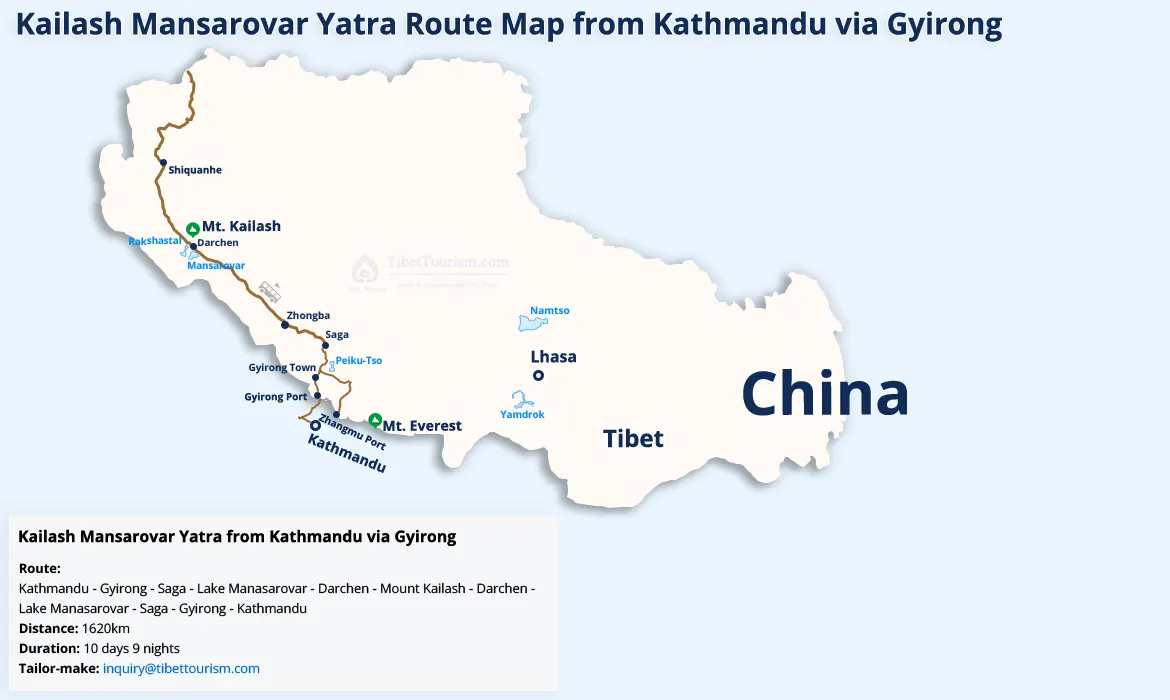 Kailash Mansarovar New Route Map from Kathmandu via Gyirong
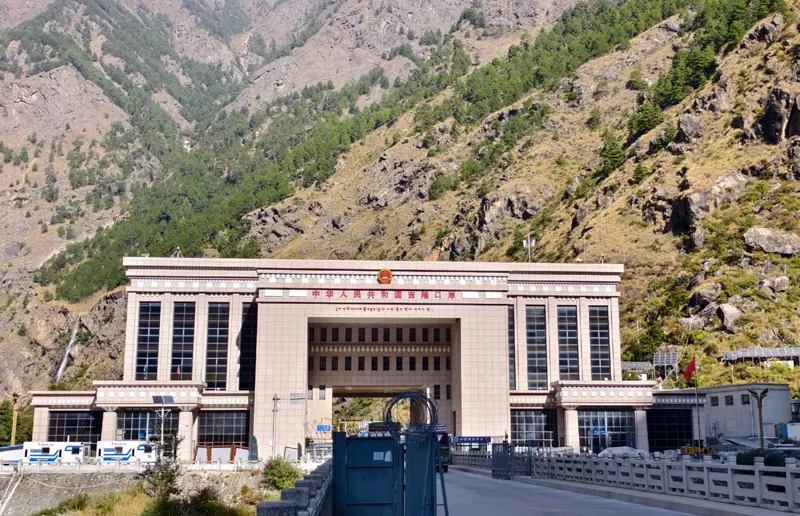 Gyirong Port