-
1. How to get to Ngari Prefecture?
Ngari Prefecture of Tibet Autonomous Region of China is situated near the border with India and Nepal. To get to the Ngari region, travelers typically start their journey from either Lhasa, Xinjiang, Kathmandu, or Delhi.
From Lhasa, travelers usually choose to drive along the southern route to Mount Kailash via Shigatse, Lhatse, Saga and Paryang, before reaching Darchen, the small village at the foot of Mount Kailash. Travelers can visit natural and cultural wonders along the well-paved road, with the first part along G318 Sichuan-Tibet Highway and the last part along G219 Xinjiang-Tibet Highway. An alternative is to fly to Ngari Gunsa Airport in Shiquanhe Town, the administrative seat of Ngari Prefecture.
From Kathmandu, travelers have mainly three ways to get to the Ngari region. The first option is to fly from Kathmandu to Lhasa, and then follow the overland route from Lhasa to Mount Kailash. This route is suitable for tourists who want to enjoy the best of both Tibet and Nepal. The second choice is to take an overland trip from Kathmandu to Mount Kailash, by crossing the border of Nepal and China. You will drive from Kathmandu to the Nepal border at Rasuwagadhi, and then cross Gyirong Port, the border at Tibetan side. After entering Tibet, there is a long drive from Gyirong to Darchen. The third one is to take a helicopter. A chartered helicopter largely reduces the stress of long drives. The tourists will be traveling from Kathmandu to Simikot by scheduled flight and then from Simikot to China border by a chartered helicopter.
From Delhi, travelers can get to Ngari via Nepal. This route is quite easy as Indian nationals can get into Nepal with no need to apply for a visa or permit. After reaching Kathmandu, you can travel overland from Kathmandu to Ngari via Gyirong or fly to Lhasa first and then go to Ngari.
From Xinjiang, tourists can drive from Kashgar in the Uyghur Autonomous Prefecture to Shiquanhe Town in Ngari Prefecture along the G219 Highway. It’s about 1,300km by road with the landscapes changing from deserts and cliffs to grasslands and snow mountains. An alternative is to take a flight from Kashgar Laining International Airport to Ngari Gunsa Aiport, 45km southwest of Shiquanhe Town.
-
2. What is the best time to visit Ngari?
The best time to visit Ngari is generally from April to June and from September to October. During these months, the weather is relatively stable, with clear skies and mild temperatures, making it ideal for appreciating natural and cultural wonders.
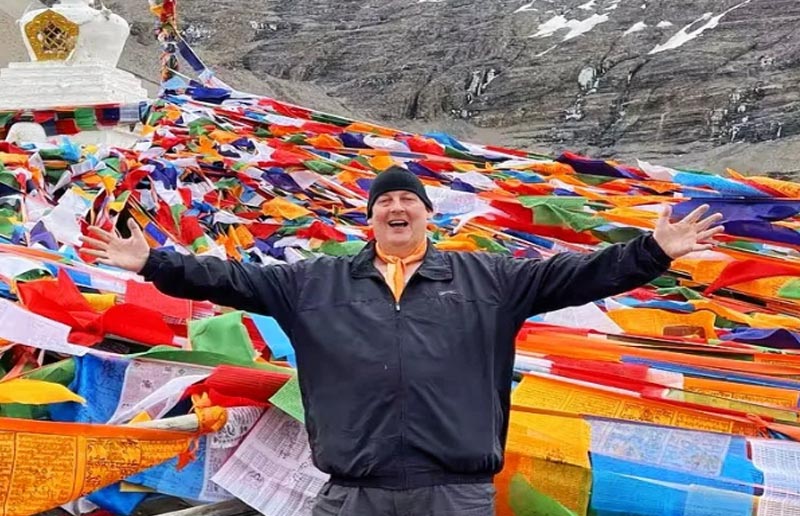
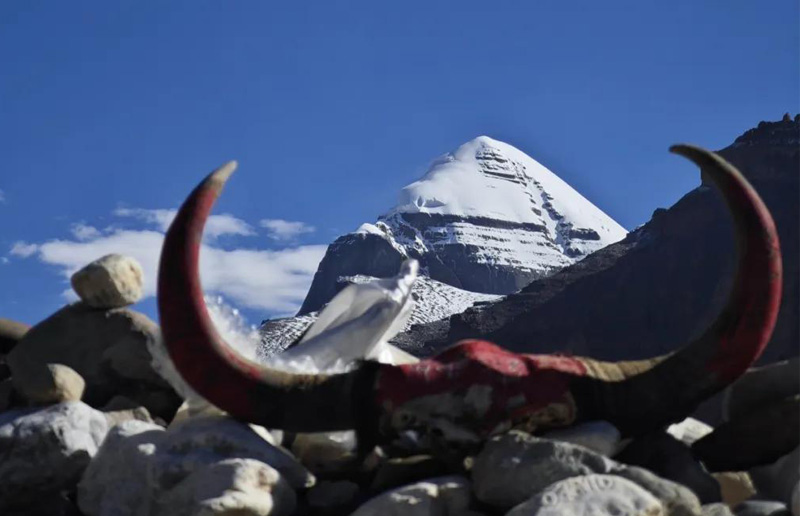
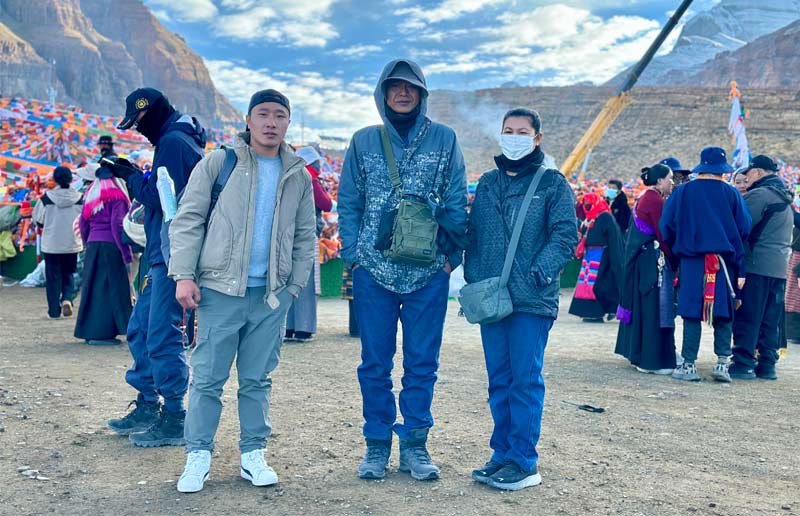
For travelers planning to do a kora around Mt. Kailash, you can visit Ngari during the Saga Dawa Festival in May or June (April 15 in the Tibetan Calendar), to experience a rich religious atmosphere.Check out our Ngari Tour during Saga Dawa Festival.
-
3. What travel documents are needed for a Ngari tour?
First, you need to obtain a Chinese Visa. With your Chinese Visa and a valid passport, you can apply for the Tibet Travel Permit, which is the prerequisite for your entry into Tibet.
Notice: If you travel overland from Kathmandu to Tibet, do not apply for a Chinese Visa because you’ll need a Chinese Group Visa. Your Chinese Visa will automatically expire when you apply for a Chinese Group Visa. If you are from a country enjoying the 15-day visa-free policy and the duration of your entire trip is within 15 days, you do not need to apply for the Chinese Group Visa.
As Ngari is situated in the remote western area of Tibet, additional travel documents are required for your visit, such as the Aliens’ Travel Permit and the Military Area Entry Permit.
If you plan to travel from Tibet to Nepal, you need to apply for a Nepal visa at the border. A 15-day Nepal visa costs 30 USD in cash. Please prepare the visa fee in advance.
All necessary documents for visiting Ngari (except for your Chinese Visa) are included in our packages. We will apply for your Tibet Travel Permit and other permits to ensure a smooth and worry-free Ngari trip.
-
4. What about the accommodation during Ngari tours?
Lhasa, Shigatse, and major Tibetan counties such as Darchen and Zanda, offer more diverse options from 3-to 5-star hotels to local guesthouses. They provide basic to luxury facilities, all ensuring a comfortable stay. For private travelers, you can choose according to your standards. However, in remote areas like EBC and Mt. Kailash, only cozy tents and guestrooms are available.
-
5. What to eat during Ngari tours?
We have handpicked restaurants with food safety guarantees for our clients. You can enjoy unique Tibetan, Sichuan, Nepali, and Indian cuisines along the way. Specialties include yak hotpot, sweet tea, butter tea, roasted pig, tsampa, barley wine, stone pot chicken and spicy diced chicken. Nepali and Indian dishes feature chicken masala and various curries. You can also find Indian dishes in Tibet. Also, if you have any special dietary requirements, please keep our guides informed and they will help you check food composition when you order dishes.
-
6. How to deal with possible altitude sickness when traveling in Ngari?
Traveling in Ngari with an average altitude of over 4,500 meters, it’s common for some tourists to experience altitude sickness. The symptoms of altitude sickness can include headache, nausea, and dizziness.
To minimize the effect of altitude sickness, it is important to allow time to acclimate to the high altitude and to take precautions to prevent altitude sickness. You should drink plenty of water, eat light meals, and avoid alcohol or caffeine. It is also recommended to take a slow path in the first two days after entering Tibet, avoiding strenuous activities like running.
If you feel uncomfortable, tell your guide. We have prepared oxygen tanks in our vehicles. You can inhale oxygen and take medication when necessary. If symptoms of altitude sickness persist or worsen, we’ll help transfer you to the hotel or hospital to seek medical attention immediately. .
-
7. How physically demanding is the Ngari tour with a kora around Mt. Kailash?
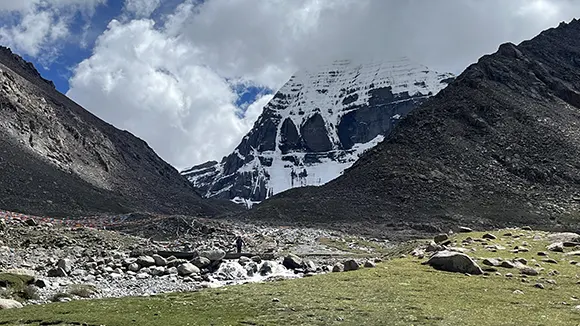
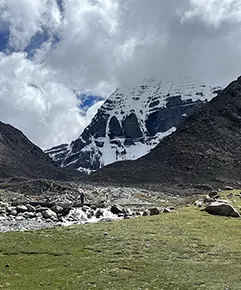
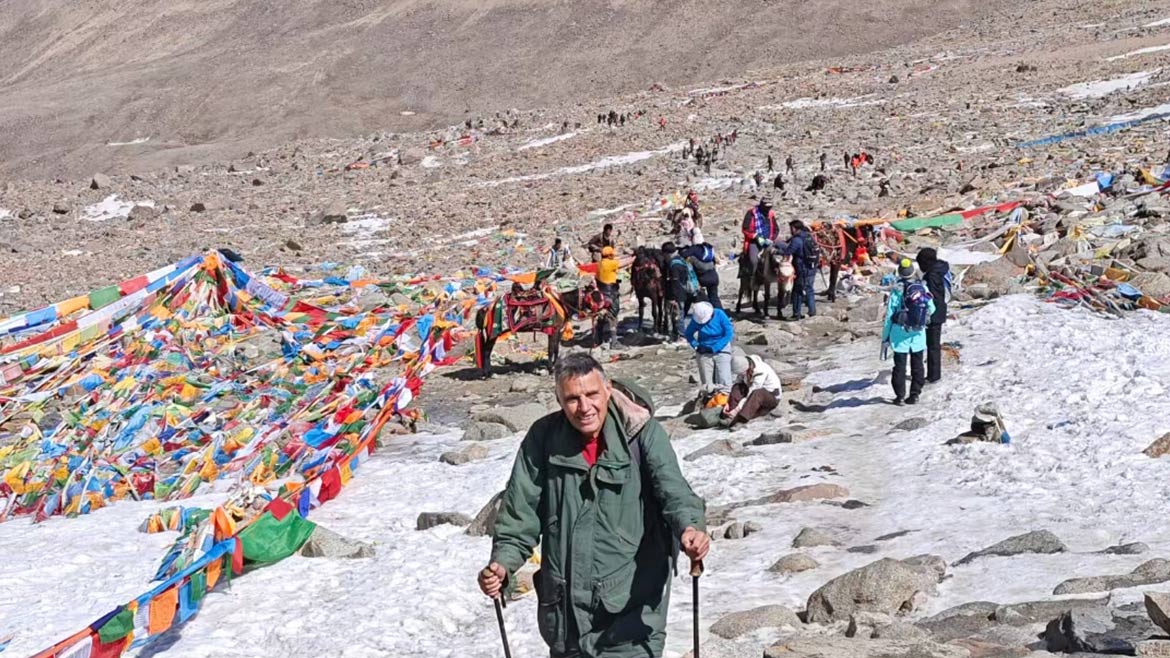
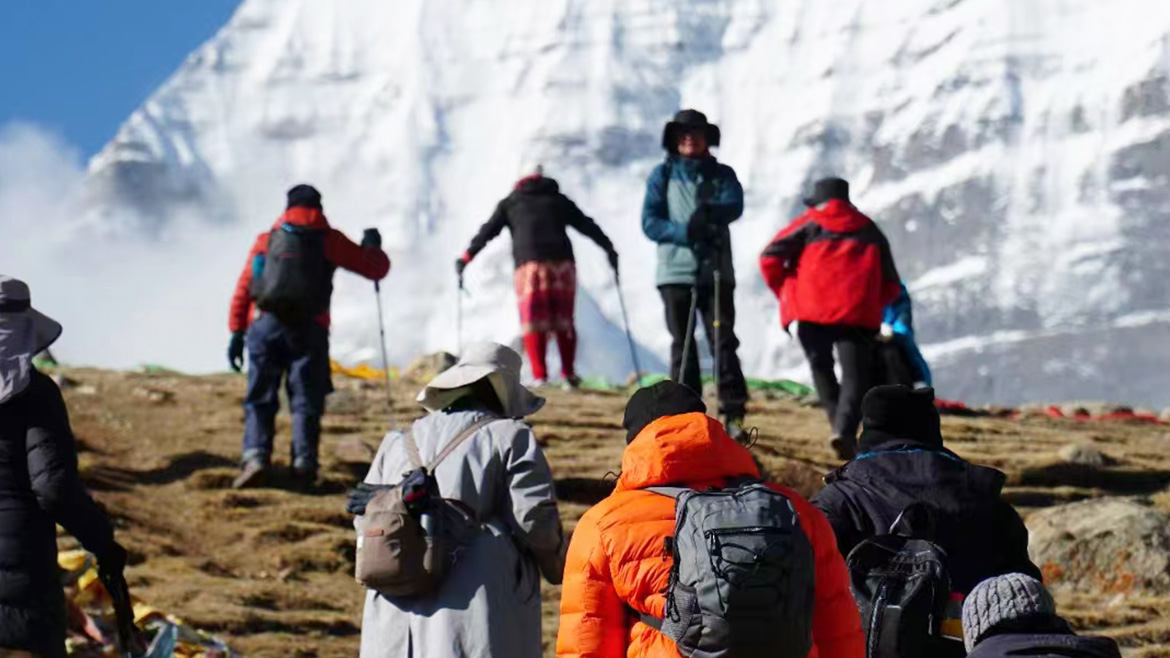
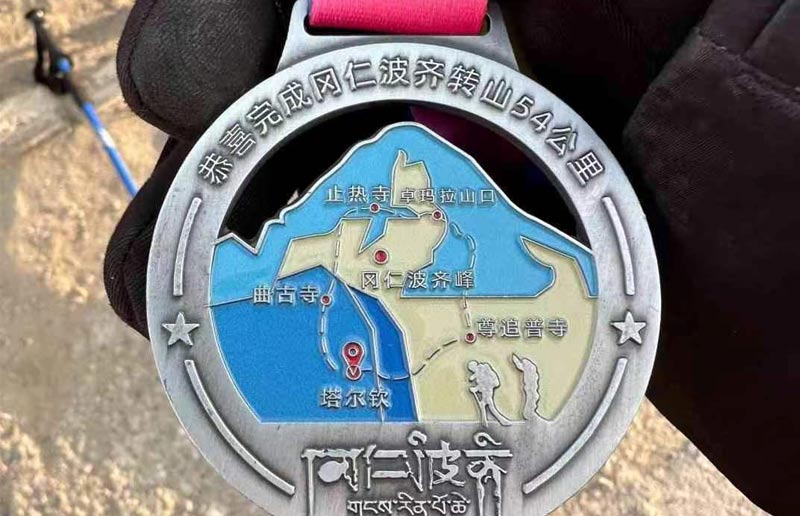
Typically, a Kailash kora is a 3-day trek. The distance around Mount Kailash is 54 kilometers (trek 43km, drive 11km).
The trek around Mount Kailash is considered to be moderately to highly physically demanding, primarily due to the rugged terrain and high altitude. It involves trekking over mountain passes, rocky terrain, and sometimes snowy or icy paths. Additionally, the entire trek is conducted at high altitudes, with elevations ranging from around 4,600 meters (15,100 feet) at the starting point in Darchen to over 5,600 meters (18,370 feet) at the Dolma La Pass, the highest point along the route. Altitude sickness is a significant concern for many trekkers.
While the trek is challenging, it is also spiritually rewarding for many pilgrims and travelers who undertake it. Trekkers need to be physically fit, mentally prepared, and adequately equipped with appropriate clothing, gear, and provisions for the journey. Hiring porters, yaks or horses may also help alleviate some of the physical burden.
-
8. How much does a Ngari loop trip cost?
The cost of a Ngari loop tour can vary depending on the length of the tour, the transportation mode, the standard of accommodations, the type of vehicle used, and additional services included.
To join a Ngari loop tour, you can choose to land in Lhasa and travel overland to Ngari Prefecture. You can also depart from Kathmandu and then fly to Lhasa or drive overland to Gyirong. The different departing cities and travel modes all affect the price. In addition, if you choose 5-star hotels and luxury vehicles like SUVs and 4WDs, your Ngari tour cost may also increase.
If you’re interested in the Ngari loop tour, please feel free to contact us. Our dedicated travel consultants will work with you to figure out a detailed itinerary according to your preferences and offer you a reasonable quotation price.

 inquiry@tibettourism.com