Get a Quote
Menu

 Content
The Qinghai-Tibet Railway, the world's highest railways, traverses through magnificent landscapes such as snow-capped mountains, grasslands, and lakes along the way, and the entire journey often lasts more than 20 hours. During such a long train trip to Tibet, good diet arrangements are particularly important for travelers' physical recovery and journey comfort. For the first-time vistors to Tibet better understand the food on the Lhasa trains, this guide will detail the onboard dining experience, options, and pricing, etc.
The dining car is typically located mid-train, near the soft sleeper carriages, making it easily accessible. The dining car has neat four-person booths and can accommodate about 50 passengers dining at the same time. Each table is situated by a window, allowing passengers to enjoy the magnificent scenery along the train journey. The interior of the dining car is decorated with Tibetan elements, creating a warm and Tibetan dining environment.
At the same time, the sanitary conditions of the dining car are relatively strict, and the kitchen and dining car areas are cleaned regularly to ensure the safety and comfort of dining, allowing passengers to enjoy every meal with peace of mind.
The dining car provides three meals a day: breakfast from 7:30 to 8:30, lunch from 11:30 to 14:00, and dinner from 17:30 to 19:30. The dining car may be crowded during peak meal times and you may have to wait in line for a table.
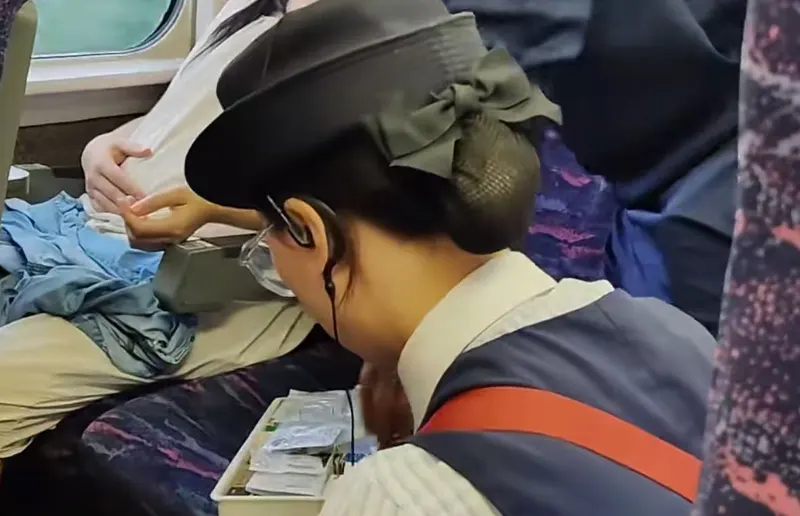
If you prefer not to head to the dining car, you can choose to stay in your own carriage and wait for the attendant to bring you a boxed meal. Boxed meals usually include staple foods, side dishes, and soups, offering both balanced nutrition and convenience. Meals are delivered regularly to each carriage, and suitable for passengers with limited mobility or those who prefer a quiet meal.
The meals on the Tibet train are mainly Chinese food, and the menu design takes passengers’ tastes into account. Main meals typically include classic home-style dishes served with rice or noodles, with prices ranging from $4-6 (¥30-45).
Tibet trains offer simple yet nutritious breakfasts, primarily consisting of white porridge, various pickles, boiled eggs, and traditional staples like Baozi and Mantou, each costing only $1.5 (¥10). These foods are easy to digest and can provide travelers with enough energy.
Lunch and dinner are primarily Chinese set meals, typically consisting of a serving of rice and two to three hot dishes. Dishes are often home-style, with a Sichuan-style flavor and a slight spice. Each meal costs approximately $3-$6 (¥20-40), making it convenient and meeting basic nutritional needs for the trip. If you have special dietary needs, you can bring some familiar foods or snacks to ensure a comfortable dining experience.
The trains also offer Tibetan specialties such as butter tea, barley cakes, and air-dried yak meat, depending on the train schedule. These local delicacies add a rich Tibetan flavor to the journey, but the availability is limited. It’s advised to purchase them in advance or during meal times.
Regarding the food's taste and hygiene, many passengers who have traveled to Tibet by train describe the meals as "simple yet heartwarming," with the overall flavor suiting to the plateau climate, neither overly greasy nor lacking in flavor.
1) To avoid queues and crowds during peak meal times, we recommend planning your meal times and arriving early.
2) For first-time travelers to Tibet, a light diet should be preferred, avoiding greasy and spicy foods. Alcohol consumption should also be minimized to reduce the risk of altitude sickness.
3) The hot water is provided 24 hours a day on the Tibet train. You can bring your own instant noodles, self-heating rice, and various snacks to easily solve the meal problem when needed.
4) For passengers with special dietary needs, such as vegetarians or those with food allergies, we recommend that you prepare suitable food in advance to ensure a safe and healthy diet on the train.
Although the food on the Tibet train are not luxurious, they are enough to meet the basic needs during the journey. Meals are not only a way to replenish energy but also an integral part of Tibet travel experience. Proper diet and attention to your own health can make your trip to Tibet more comfortable and enjoyable.
25 years exp.| 5.0
 | 61 Reviews
Tell me about your travel plan or contact me via inquiry@tibettourism.com
Features:
Lifetime Train Journey to the Tibet Plateau
Snowy-capped Himalayan Range
Shimmering Lakes Nestled in Mountains
Group size: Min.1 pax
Tour price: free enquire >
Features:
Sky Train to the Roof of the World
Diverse Chinese cultures encounter
Breathtaking Scenery of the Himalayan Mountains
Group size: Min.1 pax
Tour price: free enquire >
Features:
China wish list tour
Historical and natural wonders
China's longest river cruise
Group size: Min.1 pax
Tour price: free enquire >

 inquiry@tibettourism.com





































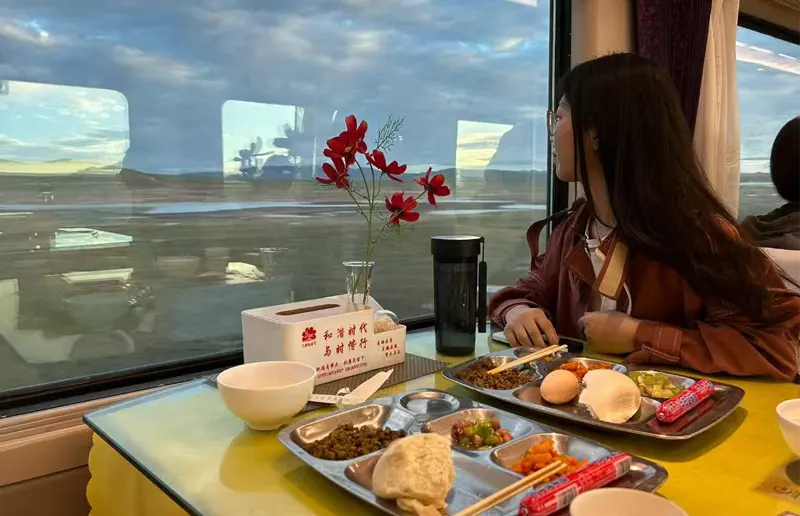 The dining car on Tibet train
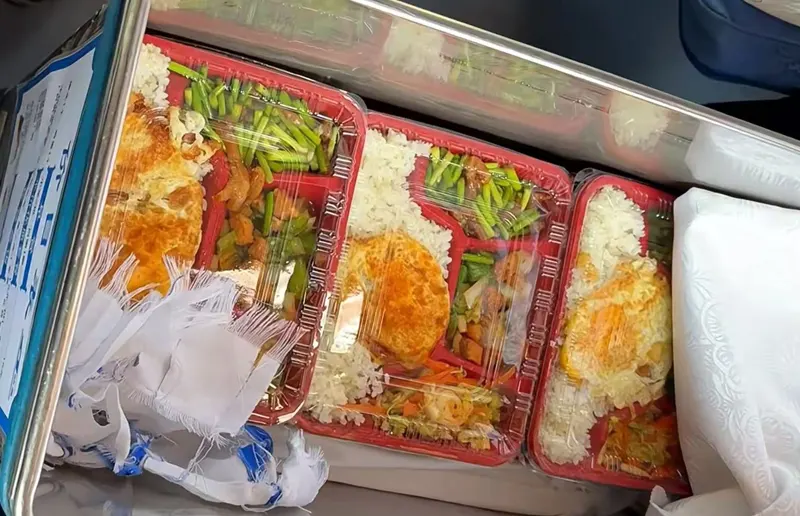 The boxed meal in food trolley on Tibet train
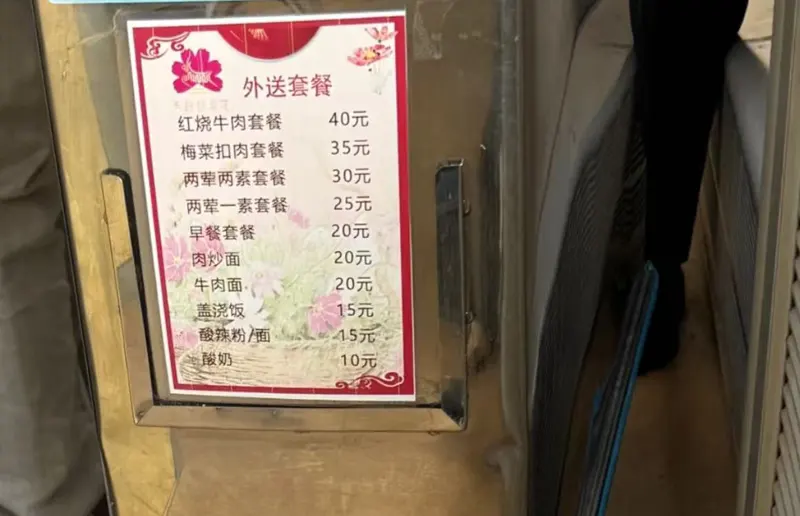 The boxed meals price on food trolley