Get a Quote
Menu

 Content
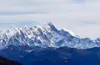
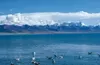
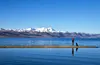
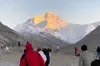
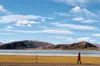
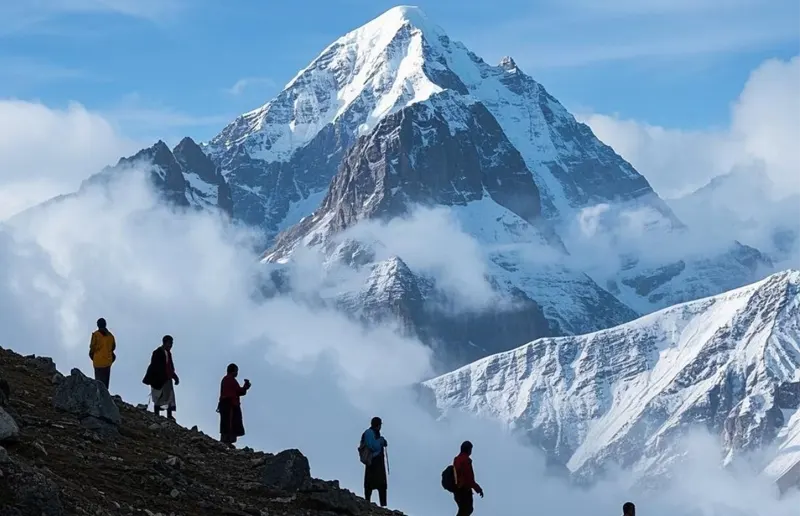
For Saudi Arabian Indians, the Kailash Mansarovar Yatra is far more than a trekking experience or simply sightseeing tour—it is a sacred odyssey that bridges earthly existence with divine connection. This guide illuminates every dimension of this extraordinary pilgrimage, from securing essential permits to selecting optimal travel routes. As you traverse from the Saudi Arabian Peninsula’s plains to Tibet’s snow-capped peaks, you’ll encounter landscapes that stir the soul and sacred sites that have drawn tourists for millennia. The journey demands careful preparation for high-altitude challenges while promising unparalleled spiritual rewards, with spiritual awakening to create memories that will resonate long after your return to daily life.
Saudi Arabian passport holders of Indian origin must obtain specific travel documents to visit Tibet. The process begins with securing a Chinese Visa from the Chinese Embassy in Riyadh or Jeddah. For those entering through Nepal, a Chinese Group Visa must be arranged in Kathmandu through an authorized tour agency like Tibet Horizon.
Additionally, Tibet requires special permits that only licensed agencies can arrange. These include Tibet Travel Permit, Aliens’ Travel Permit and Military Area Entry Permit. These documents can only be applied through a Tibet travel agency and they take significant time to process, so applications should be submitted at least a month in advance.
Indian Saudi Arabians with Saudi Arabian Passport have two main routes for traveling to Mount Kailash: via Chinese cities or through Nepal.
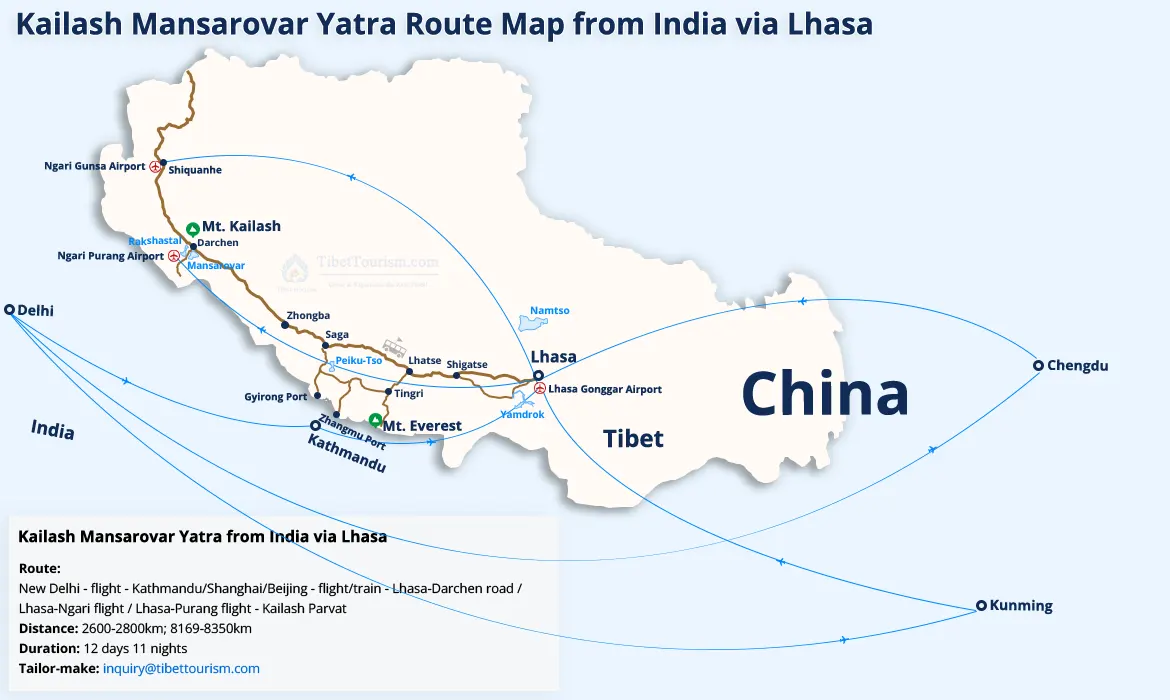
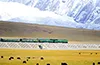
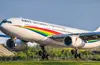
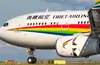
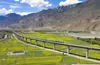
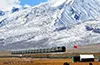
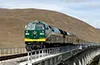
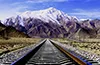
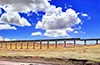
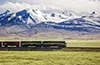
The most straightforward route begins with flights from Riyadh or Jeddah to major Chinese cities like Beijing, Chengdu, or Guangzhou. Direct flights take approximately 7 to 9 hours. From these hubs, travelers can take a domestic flight to Lhasa (about 2.5 hours) or opt for the scenic Qinghai-Tibet Railway, which offers a 21 to 48-hour journey through breathtaking landscapes. Adventurous travelers can arrange overland journeys via national highways from Sichuan, Xinjiang, Xining, or Yunnan. Once in Lhasa, pilgrims can either fly to Ngari Gunsa Airport (2 hours) or embark on a 4-day overland journey to Darchen, the basecamp for the Kailash trek.
Flights from Saudi Arabia to Kathmandu (via Dubai or Delhi) take approximately 6 to 8 hours. From Kathmandu, travelers can choose between an overland journey to the Tibet border via Gyirong Port (typically a 2-day drive) or a flight to Lhasa followed by road travel to Kailash. For those seeking comfort, helicopter transfers are available from Kathmandu to the border area, though at a significantly higher cost. Both routes require coordination with licensed tour operators to handle permits and logistics.
The optimal period for the Kailash Mansarovar Yatra is from April to October, when weather conditions are most favorable. Daytime temperatures range from 10°C to 20°C, while nights can drop below freezing. The trails are accessible as winter snow melts, and the risk of heavy rainfall is minimal. This period also coincides with the Saga Dawa Festival (May or June), a spiritually significant event celebrating Buddha’s enlightenment. Also, the full moon period is an auspicious time to visit Mount Kailash and Lake Mansarovar, which is believed to enhance the merits.
Winter months are generally avoided due to extreme cold, heavy snowfall, and limited services. While the landscapes are stunning under snow, the challenging conditions make pilgrimage difficult without proper equipment and support.
In Kathmandu and Lhasa, you can opt for comfortable 3- or 4-star hotels equipped with modern amenities such as Wi-Fi and hot showers. For those seeking more luxury, 5-star hotels like the St. Regis or Shangri-La are available.
As you near Mount Kailash, accommodations become simpler. In Darchen, there are basic yet comfortable hotels. Along the trekking route, lodging typically includes basic guesthouses with shared facilities. Though basic, these accommodations provide an authentic experience and a cozy place to rest.
Throughout the journey, dining experiences change to match the surroundings. In Kathmandu and Lhasa, a range of restaurants serve Tibetan, Indian, Nepali, and international dishes, with many offering vegetarian options to meet pilgrims’ needs. As you approach Kailash, food choices narrow. Tea houses and guesthouses provide simple, nourishing meals, often featuring Tibetan staples such as thukpa, momos, noodles, and tsampa. These carbohydrate-rich foods fuel high-altitude trekking. Though basic, the meals are prepared with care and can become highlights of the pilgrimage. Bringing energy bars, nuts, and dried fruits is also recommended for extra energy during the Yatra.
The total expenditure for this sacred pilgrimage depends on multiple factors including visa requirements, selected travel routes, accommodation preferences, and personal spending habits. Careful budgeting ensures a comfortable journey while maintaining focus on the spiritual aspects of the Yatra.
Saudi Arabian passport holders of Indian origin must obtain proper travel documentation. The Chinese Tourist Visa application fee is approximately USD 58 when processed through the Chinese Embassy in Saudi Arabia. For pilgrims choosing the Nepal entry route, a Chinese Group Visa can be secured in Kathmandu for about USD 40. The essential Tibet Travel Permit, Aliens’ Travel Permit, and Military Area Entry Permit are typically included in comprehensive tour Kailash tour packages, though their processing may add several hundred dollars to the total cost.
International flights constitute a significant portion of the budget. Direct flights from Saudi Arabia to major Chinese cities like Beijing, Shanghai and Guangzhou range between USD 400-500, while flights to Kathmandu average USD 200. For travel within China, pilgrims have multiple options to reach Lhasa from mainland cities. Direct flights operate from major hubs, with fares typically ranging from USD 150-300 for the 2-3 hour journey. Alternatively, the world-famous Qinghai-Tibet Railway offers a more scenic but lengthier alternative, with ticket prices starting at approximately USD 30. Those entering from Nepal can opt for flights between Kathmandu and Lhasa, which generally cost USD 300-400 for the short 90-minute flight across the Himalayas. Within Tibet, domestic flights from Lhasa to Ngari Gunsa Airport cost approximately USD 450 one-way. Overland transportation expenses vary considerably, depending on the travel duration and vehicle type. The premium helicopter option from Kathmandu to the Tibet border remains the most expensive transit choice at around USD 2000.
Accommodation pricing reflects a significant variation in facilities during the pilgrimage tour. In urban centers like Kathmandu and Lhasa, comfortable three-star hotels charge USD 60-120 per night, while luxury five-star properties may cost USD 150-300 nightly. As travelers approach Mount Kailash, lodging becomes more basic with simple guesthouses in Darchen and along the trekking route priced at USD 15-30 per person per night.
Dining expenses fluctuate based on location and personal preferences. In cities, restaurant meals cost USD 5-15 per person, with halal options available in Kathmandu and Lhasa. Along the pilgrimage route, simple Tibetan meals like Tibet noodles or momos cost USD 2-5, while beverages such as butter tea or bottled water range from USD 0.50-2. Many travelers budget USD 15-25 daily for food and drinks, supplementing with energy bars and snacks brought from home.
Supplementary costs should be anticipated for various pilgrimage needs. Hiring a porter for the Kora circuit costs approximately USD 80-100, while horseback riding expenses run about USD 250-300 for the duration. Souvenirs and religious items purchased along the way may add USD 50-200 to the budget depending on individual preferences. Many pilgrims also allocate funds for monastery donations and unexpected expenses.
Unfortunately, independent travel to Tibet is not permitted for foreign nationals. Chinese regulations require all international visitors to travel with an officially licensed Tibet travel agency. As authorized operators, we handle all necessary arrangements including processing your Tibet Travel Permit and other required documentation, coordinating transportation and accommodation logistics and ensuring compliance with all government regulations. Our expertise in organizing Kailash Mansarovar pilgrimages allows us to provide supreme travel experience and essential support. By entrusting your Saudi Arabia to Kailash tour to our care, you’re free to devote your full attention to the spiritual significance of your journey while we manage all practical arrangements.
When traveling from Saudi Arabia to Tibet, coping with altitude sickness is crucial due to the significant change in elevation. To acclimate effectively, allow yourself ample time to adjust gradually. Spend a few days at intermediate altitudes, such as in Lhasa, which sits at around 3650 meters. This helps your body adapt to the lower oxygen levels. During this period, stay well-hydrated and avoid alcohol and tobacco. Focus on eating light, nutritious meals that are easy to digest.
Rest is essential, especially during the first few days at high altitude. Avoid strenuous activities and give your body time to recover. If you are prone to altitude sickness, consider taking preventive medication like Diamox (acetazolamide), but consult your doctor before starting any medication. Monitor your health closely for symptoms such as headache, nausea, dizziness, and shortness of breath. If symptoms persist or worsen, tell your guide, descend to a lower altitude immediately and seek medical attention.
Traveling to Kailash Mansarovar, it’s essential to pack thoughtfully to ensure comfort and preparedness. Bring warm clothing, including thermal layers, a down jacket, and a warm hat and gloves, as temperatures can drop significantly at high altitudes. A sturdy, waterproof hiking backpack and comfortable hiking boots are crucial for the trek. Pack a water bottle, snacks like energy bars and nuts, and a first-aid kit with essentials like pain relievers and altitude sickness medication. Also, bring toiletries, a travel pillow, and any personal items you might need. Ensure you have your passport, necessary permits, and copies of important documents. Lastly, consider bringing a small amount of cash in Chinese yuan, as credit cards are not widely accepted in remote areas.
Halal dining options are readily available in major cities like Kathmandu and Lhasa, where you’ll find restaurants serving certified halal meals and proper meat preparation. However, as you venture into more remote areas near Mount Kailash, food choices become significantly limited. While some Tibetan guesthouses may offer vegetarian options that align with halal principles, we strongly recommend bringing packaged halal snacks, canned goods, and instant meals to supplement your diet. Our tour packages can help identify halal-friendly accommodations and arrange special meal requests where possible.
For Saudi Arabian citizens of Indian origin, the Kailash Mansarovar Yatra is a transformative spiritual journey. By securing permits early, choosing the right route, and packing wisely, pilgrims can focus on the sacred experience. Partnering with experienced operators ensures a seamless and memorable pilgrimage to one of the world's most revered destinations.
20 years exp.| 5.0
 | 39 Reviews
Tell me about your travel plan or contact me via inquiry@tibettourism.com

 inquiry@tibettourism.com







































 Pilgrimage to Mount Kailash from Saudi Arabi