Get a Quote
Menu

 Content
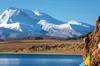
It will surely be a wonderful journey for Indian Americans traveling from the USA to Kailash, where our experienced guides will lead you through the sacred mountain and holy lake. In this detailed guide, we’ll take you step-by-step through all the essentials: the necessary travel documents, travel routes to the sacred destinations, the ideal time to visit, financial considerations, and packing advice for your journey. Draw inspiration from our local insights to plan your Tibet journey and explore its rich natural and cultural heritages, including the sacred sites of Mount Kailash and Lake Mansarovar. This experience will leave a lasting impression on your heart.
Indian Americans, holding U.S. Passport and planning to travel to Mount Kailash, Tibet, China, must obtain either a Chinese Visa or a Chinese Group Visa. For those entering via the Chinese Mainland, a Chinese Visa should be applied for in advance before departing from the USA to China. Alternatively, if you opt to enter Tibet from Nepal, a Chinese Group Visa, which can be obtained in Kathmandu, is necessary.
In addition to the visa, Indian Americans with American Passport traveling to Kailash Parvat need several permits, including the Tibet Travel Permit, Aliens’ Travel Permit, and Military Area Entry Permit. The Tibet Travel Permit is required for visiting Tibet. Given its location in remote western Tibet and its status as a military-sensitive area, traveling to Mount Kailash requires both the Aliens’ Travel Permit and the Military Area Entry Permit. These permits can only be applied for by a licensed Tibet travel agency like Tibet Horizon. Once you book with us, we will apply for the necessary permits on your behalf.
Traveling to Kailash Parvat from the USA, Indian Americans can choose to travel through Chinese mainland cities, or through Kathmandu, the capital of Nepal.
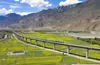
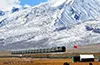
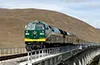
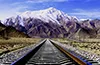
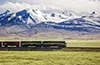
Direct flights from the United States to major Chinese cities like Beijing, Shanghai, Guangzhou, Chengdu, Chongqing, Xi’an, and Xining are readily available. From these cities, you can reach Tibet either by air or by train. Direct flights typically last 2 to 4 hours, while train journeys from Xining, Chengdu, Beijing, Shanghai, Guangzhou, Chongqing, and Xi’an range from 19 to 45 hours. Although the train takes longer, it provides an immersive experience with breathtaking views along the Qinghai-Tibet Railway. For the adventurous, overland driving or cycling from Chengdu, Yunnan, Qinghai, or Xinjiang is another exciting option.
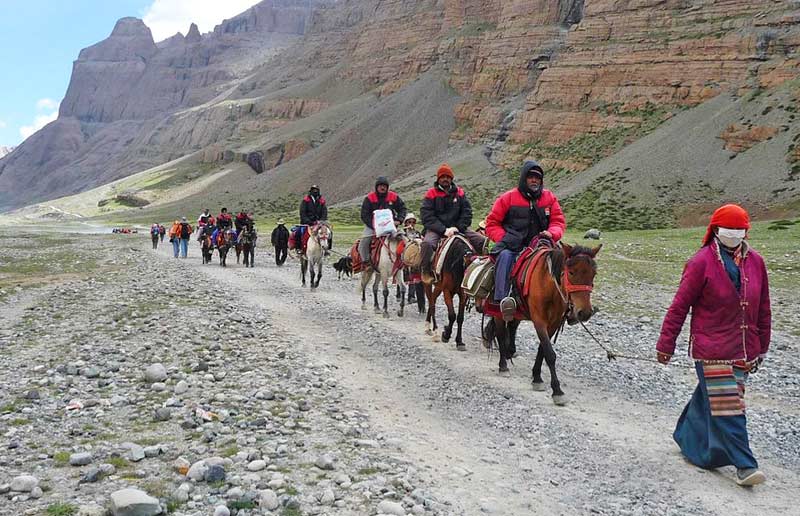
Lhasa is the major tourist and transportation hub for visitors, offering several ways to connect to the Kailash Mansarovar area. Most travelers opt for an overland trip to Mount Kailash. The road journey from Lhasa to Kailash usually takes three to four days, with opportunities to visit notable sites along the way, such as Yamdrok Lake, Tashilhunpo Monastery, and Everest Base Camp. A more time-saving alternative is to fly from Lhasa to Ngari, as Ngari Gunsa Airport is just 200 km from Darchen.
Notice:: If you enter Tibet from Chinese Mainland cities, you shall bring the original Tibet Ttravel Permit on the way to Lhasa.
Although there are no direct flights from the USA to Kathmandu, Nepal, this route is still popular because it offers several ways to reach Mount Kailash and Lake Mansarovar. With just one layover, the flight from the USA to Nepal is quite straightforward. Upon arrival, our travel agent will help you complete the necessary application forms and undergo fingerprinting at the Chinese Embassy in Kathmandu to apply for your Chinese Group Visa. Typically, you can obtain your visa within four working days and then proceed to Mount Kailash.
The most common route from Kathmandu to Kailash Parvat is an overland drive via Gyirong Port, which covers about 839 km and takes approximately two days to reach Darchen. Along the drive, you can appreciate the beauty of Himalayan mountains and valleys. Alternatively, you can fly from Kathmandu to Lhasa and then travel to the Kailash Mansarovar area. For the more adventurous, flying from Kathmandu to Simikot via Nepalgunj, followed by a helicopter ride to Hilsa near Purang Port, is also an option. Purang Port is just 103 km from Darchen, a distance that can be easily covered in one day. You can acclimatize in Purang County for one more day and explore the local life there.
Features:
Spiritual experience at sacred Mount Kailash
Profound essence of Tibetan Buddhism
Overland journey through Tibetan Plateau
Group size: Min.1 pax
Tour price: free enquire >
Notice:: If you enter Tibet from Kathmandu, you can bring the photocopy of Tibet Ttravel Permit and our tour guide will pick you up at Lhasa, Gyirong, or Purang Port with the original one.
For Indian Americans embarking on a pilgrimage to Mount Kailash and Lake Mansarovar from the USA, the ideal time to visit is between April and October. During these months, the weather is mild and stable, providing optimal conditions for the holy Yatra around Kailash Parvat. Traveling to Kailash Parvat in winter is not recommended due to extreme cold and heavy snowfall, which can make the journey challenging. The Saga Dawa Festival, a significant event in the region, usually occurs in May or June, making travel during this time particularly memorable. Additionally, the full moon period is considered auspicious for the Kailash Mansarovar Yatra, as it is believed to enhance the spiritual benefits of the pilgrimage. Scheduling your visit from the USA to Kailash during these events allow you to gain a deeper insight into Tibetan spiritual dimension.
When embarking on a Mount Kailash tour from the United States, you’ll have access to diverse lodging options, especially in major cities such as Kathmandu, Lhasa, and Shigatse, which cater to a spectrum of budgets, from high-end luxury to budget accommodations. However, in the remote Kailash Mansarovar area, accommodation choices are more restricted. In Darchen, where the Kailash Kora trek commences, you can find upscale lodging like the Himalaya Kailash Hotel. Have a good rest and prepare for the upcoming trek. During your trek around Mount Kailash, only basic guesthouse are available. It’s crucial to book accommodations well in advance, particularly during peak season or major festivals like Saga Dawa, to secure your stay. If you book with our agency, we can help you arrange accommodations that align with your preferences and standards.
During the USA to Tibet tour, Indian Americans can enjoy a variety of Tibetan and Chinese dishes that cater to different preferences. Tibetan staples like tsampa and momos offer a taste of local flavors. Other Tibetan specialties include yak meat, yak yogurt, and barley wine. Additionally, you can find Chinese dishes such as stir-fried vegetables, rice, and noodles in many restaurants. For those seeking familiar tastes, basic Western-style food like burgers and pastas are already available in Tibet. During the trek around Mount Kailash, food choices are often limited to basic meals provided by monastery guesthouses and tent restaurants, such as noodles and sweet tea. Before embarking on the trekking route, it’s a good idea to prepare some snacks and fruits to supply energy. Indian American tourists with special diet requirements can inform our guides so that they can help you check the ingredients.
Indian Americans taking a Kailash Yatra tour from the USA need to budget the costs for visa and permit applications, transportation, hotel, dining, and personal expenditures.
For Indian Americans planning a trip to Tibet, visa costs are determined by your nationality. The Chinese Visa fee for Indian-origin Americans is USD 185 for a single entry, while the Chinese Group Visa fee is USD 155. Expedited services are available at an additional cost.
The applications of Tibet Travel Permit, Aliens’ Travel Permit, and Military Area Entry Permit will be handled by our travel agency and the fees for obtaining them are generally covered in the overall price of the Mount Kailash tour package from the USA.
Traveling from the USA to China for a Kailash Mansarovar Yatra can incur flight costs ranging from USD 300 to over USD 1000, influenced by the specific cities and booking timing. Once in China, reaching Tibet via flight from major gateway cities generally costs under USD 400, whereas a train ticket to Lhasa is roughly USD 180. For those venturing further to Ngari, a flight from Lhasa will cost around USD 482. Opting for a Kathmandu route, flights from the USA to Kathmandu can vary between USD 800 and USD 1500, with a subsequent flight to Lhasa costing approximately USD 485. The priciest option is a helicopter trip, at about USD 2000. Overland travel expenses fluctuate based on the vehicle type and journey duration.
Luxury hotels in the region can cost over USD 60 per night, offering comfortable and well-appointed rooms. In contrast, guesthouses are more budget-friendly, charging around USD 15 to 20 per person per night. The total accommodation costs will depend on your chosen standard of lodging and the duration of your stay.
At local tea houses, you can enjoy basic meals that are both filling and flavorful, typically costing around USD 2. These meals often include Tibetan staples such as tsampa, momos, and noodle soup. For drinks, options like butter tea or sweet tea are commonly available and usually cost around USD 1. For those who prefer more upscale dining experiences, à la carte meals at higher-end restaurants will naturally increase your expenses. Your daily budget for food and beverages can fluctuate widely based on your personal dining preferences.
During the Kailash Yatra tour, additional expenses may arise. Hiring a yak or porter for assistance during the trek can add to your costs. Additionally, purchasing souvenirs and other personal items can also contribute to your overall travel expenditures.
Of course. Indian Americans are welcome to visit Mount Kailash in Tibet, as long as you secure the required permits and visas. Since independent travel is not permitted in Tibet for international visitors, those from the USA must join a guided Kailash Mansarovar Yatra tour organized by a licensed Tibet travel agency such as Tibet Horizon. Leveraging our extensive experience in arranging Tibet Kailash tours for Indian Americans, we can assist you in crafting your travel itinerary, managing the application process for required permits, and taking care of hotel and ticket bookings.
Preparing for the Kailash Parikrama involves both physical and mental readiness. Physically, it’s crucial to engage in regular aerobic and strength training exercises to build endurance and strength. Mentally, set realistic expectations by understanding the trek’s challenges and the significance of the holy Yatra. Cultivate a positive mindset through mindfulness and meditation to stay focused and serene. By combining physical training with mental preparation and a respectful attitude, you’ll be well-equipped for a meaningful and memorable Kailash Yatra experience.
When traveling to the Kailash Mansarovar area, which has an average altitude above 4500 meters, Indian American travelers often experience mild symptoms of altitude sickness. To reduce the risk of altitude sickness when visiting Kailash Parvat, it’s essential to acclimate to the high altitude gradually. Gradually acclimatize by ascending slowly and spending a few days at lower altitudes, like in Lhasa, before venturing into higher regions. Stay hydrated, eat light meals, and avoid strenuous activities immediately after arrival. If you experience severe symptoms, inform your guide and seek medical attention promptly.
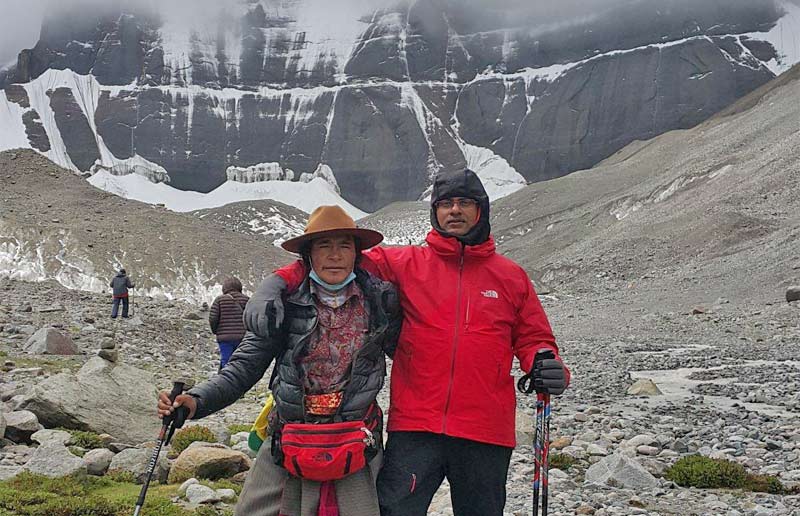
Indian Americans taking a Kailash Tibet tour should prepare for the varied climates and physical challenges of the trip. Essential items include warm clothing such as thermal underwear, fleece jackets, and down jackets, as well as accessories like hats and gloves to combat the cold. For trekking, comfortable sneakers or hiking boots are a must, and a trekking pole can be very helpful. Important documents like your passport, visas, and permits should be packed, along with any personal medications and a first-aid kit. Other essentials include toiletries, wet wipes, a power bank, a thermos, energy bars, and other personal items to ensure a comfortable and enjoyable experience.
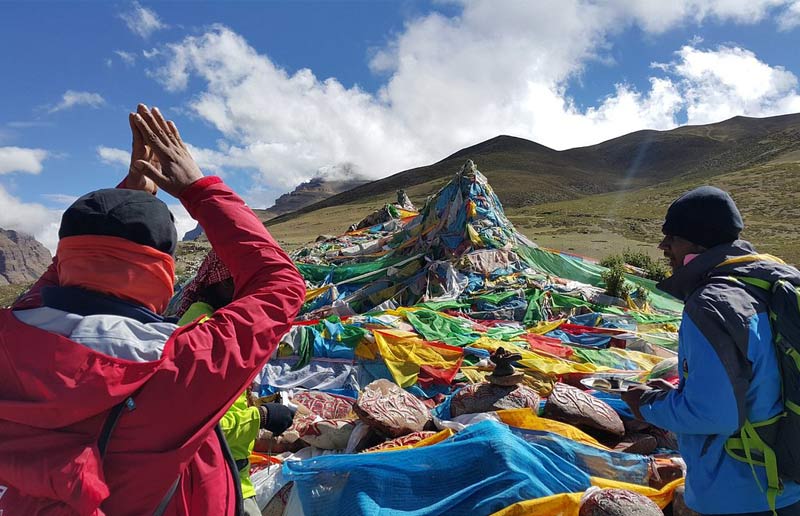
During a Kailash Mansarovar Yatra tour, several common events and ceremonies can be witnessed, enriching the spiritual experience of the journey. During your Kailash Kora, you can see many pilgrims do full-body prostrations along the route. At Lake Mansarovar, pilgrims often take a ritual bath in its sacred waters and perform prayers and sutra chantings along the lake’s shores. You can join them in engaging in meditation. Pilgrims also offer tsampa to the mountain and the wind as a sign of devotion. These events and ceremonies, combined with the natural beauty and spiritual significance of the region, make the Mount Kailash journey from the USA a profound and transformative experience for all who undertake it.
Setting off on a Kailash tour from the USA as an Indian American involves careful planning and preparation. Obtaining the necessary visas and permits is a fundamental step, ensuring a smooth entry into Tibet. Selecting a travel route that aligns with your preferences and scheduling your trip during the favorable months. Packing essentials for the diverse climates and trekking demands of the journey is essential for comfort and safety. Our comprehensive guide provides detailed insights into the Kailash Mansarovar Kora, covering everything from travel logistics to cultural tips. We hope this information inspires you to plan your trip to Kailash Parvat, where you can create lasting memories and deepen your connection to the region’s rich spiritual heritage.
20 years exp.| 5.0
 | 39 Reviews
Tell me about your travel plan or contact me via inquiry@tibettourism.com

 inquiry@tibettourism.com





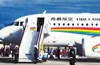
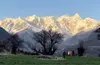
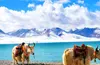
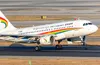



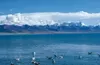

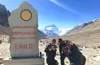
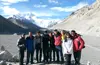
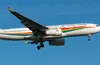


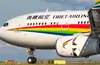

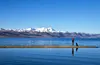
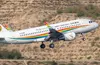
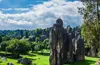







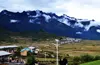
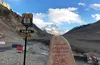
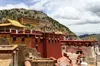
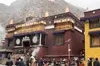





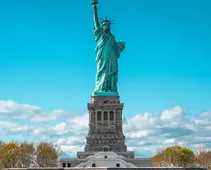


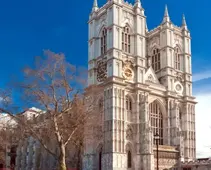


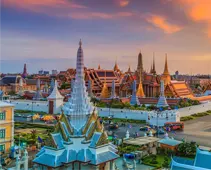
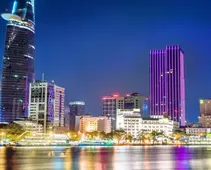


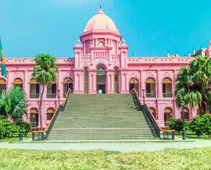

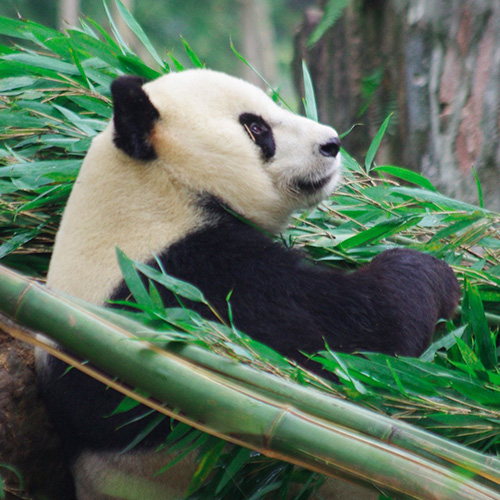







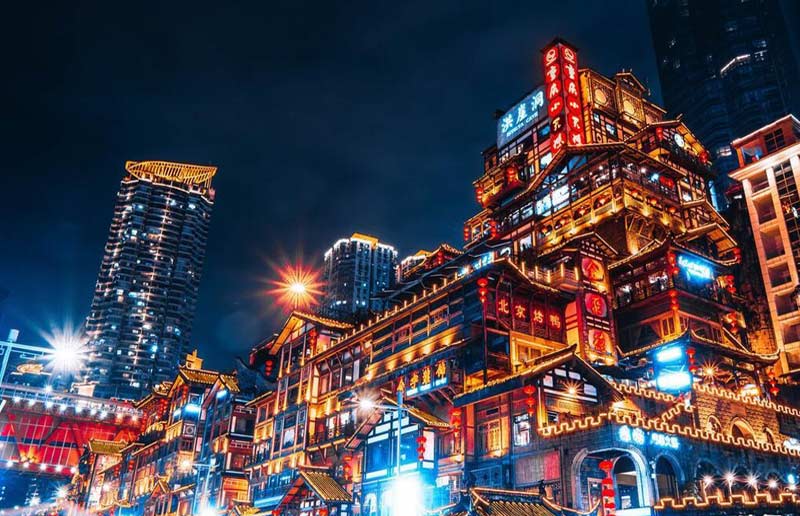 Chongqing is a popular city for tourists from the United States to enter China.
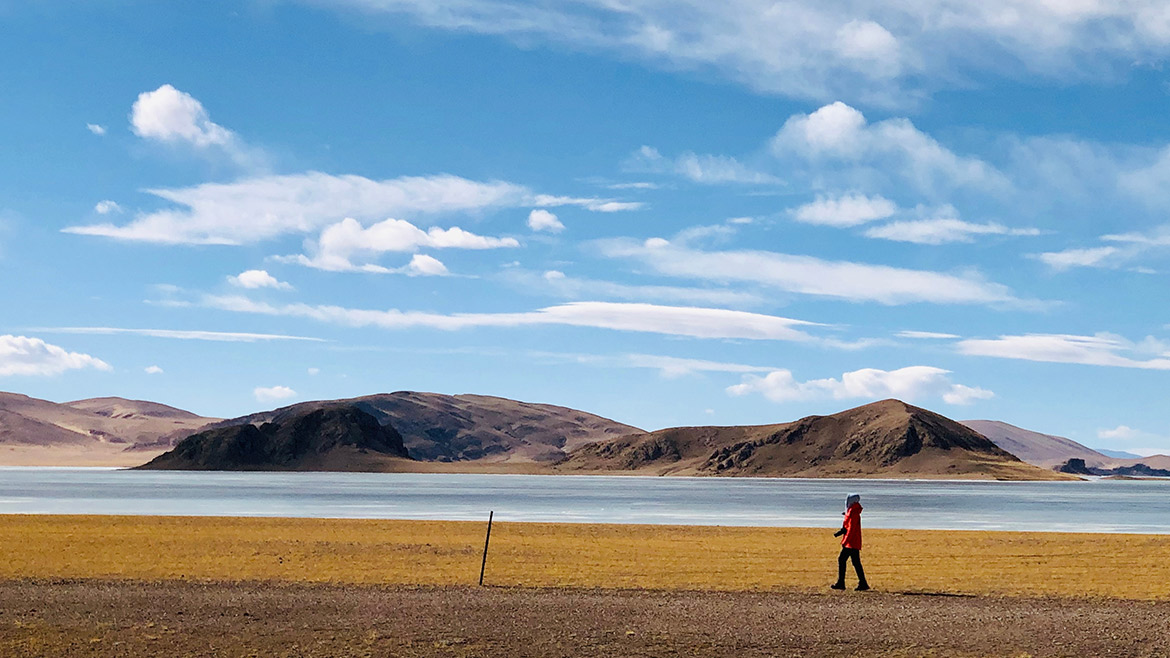

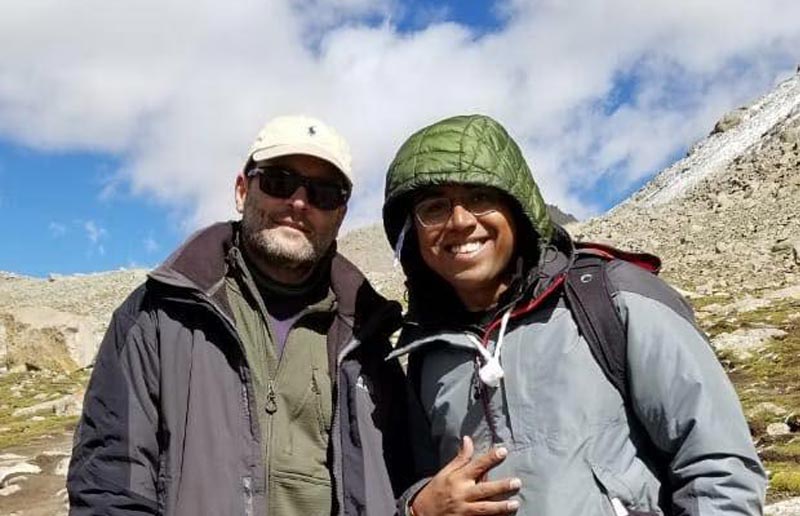
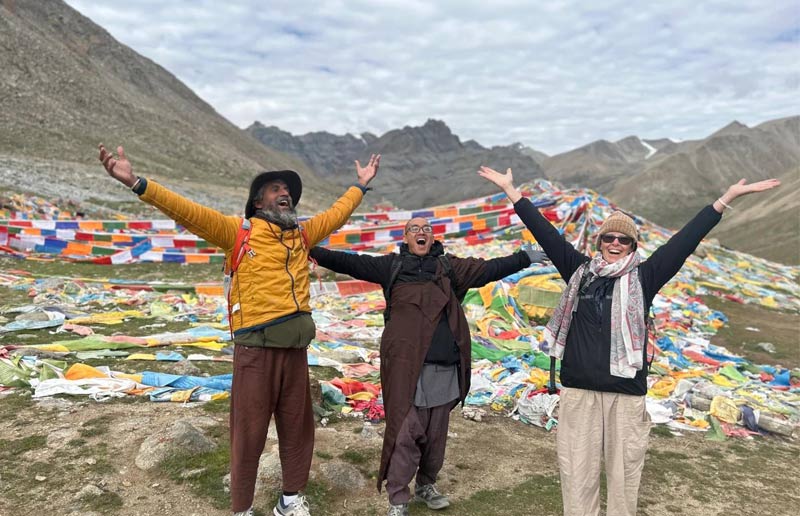 American Indians in Mount Kailash tour