Get a Quote
Menu

 Content
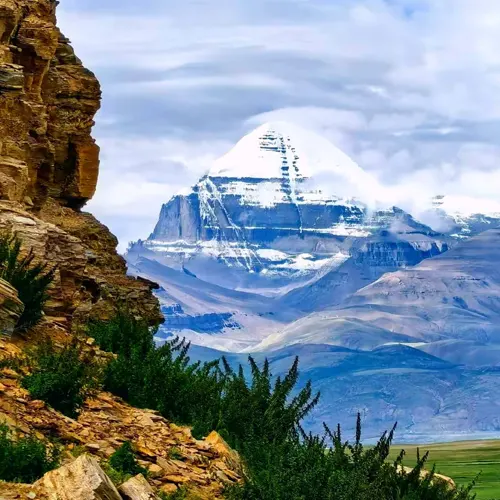
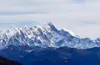
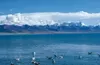
For Qatari Indian, the Kailash Mansarovar Yatra represents not just a physical journey but a profound spiritual quest. This guide serves as a complete resource for those seeking to undertake this transformative pilgrimage. From navigating the complex permit process to choosing between travel routes via China or Nepal, every aspect is covered to help pilgrims prepare adequately. The majestic landscapes of Tibet, combined with the sacred aura of Mount Kailash and Lake Mansarovar, create an experience that transcends ordinary travel, offering spiritual renewal and lasting memories.
Qatari passport holders of Indian origin must secure specific travel documents for the Kailash Mansarovar pilgrimage.
Visa Requirement: According to the visa exemption agreement between China and Qatar, Qatari citizens holding valid Qatar Passport are exempt from visa requirements for stays in China not exceeding 30 days. If the intended stay in China exceeds 30 days, the relevant visa must be applied for before entry. A Chinese Visa is mandatory for entry through Chinese mainland cities, which can be obtained from the Chinese Embassy in Doha. For those opting to enter through Nepal, a Chinese Group Visa must be arranged in Kathmandu through an authorized tour operator.
Travel Permits Requirement: Additionally, Tibet requires special permits that only licensed agencies can arrange. These include the Tibet Travel Permit for entering the region, the Aliens’ Travel Permit for visiting restricted areas like Mount Kailash, and the Military Area Entry Permit for border zones. These documents take significant time to process, so applications should be submitted four to six weeks in advance. Working with a reputable tour operator is essential as independent travel to Tibet is not permitted for foreign nationals.
Indian Qataris have two main options for reaching Mount Kailash: via Chinese cities or through Nepal.
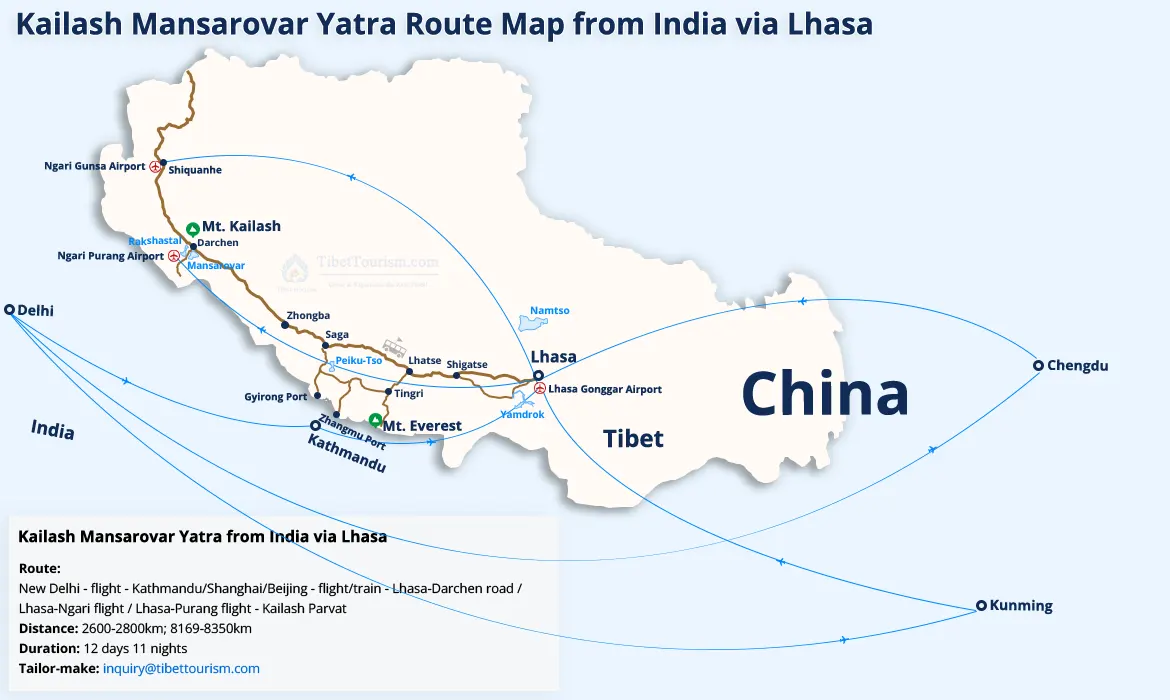
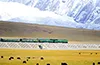
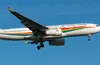
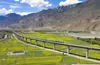
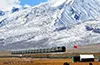
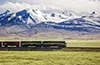
The China route begins with flights from Doha to major hubs like Beijing, Shanghai or Guangzhou, taking six to eight hours. From these cities, direct flights to Lhasa last about two and a half hours, providing the quickest access to Tibet. Alternatively, the Qinghai-Tibet Railway offers a scenic journey. To reduce the time, you can fly to cities like Xining or Chengdu and then board a Tibet train to Lhasa. For overland trips to Lhasa, you can start from Chengdu and drive along the G318 Highway. From Xinjiang, take the G219 Highway. Or begin in Yunnan, following the G214 Highway. These routes offer breathtaking views and cultural experiences. Once in Lhasa, pilgrims can take a short flight to Ngari Gunsa Airport or embark on an overland journey to Darchen, the starting point of the Kailash trek.
The Nepal route offers a different experience, with direct flights from Doha to Kathmandu. The travel time is around four and a half hours. From Kathmandu, travelers can choose between an overland journey to the Tibet border via Gyirong Port, taking two days through varied landscapes, or a quicker flight to Lhasa followed by road travel to Kailash. For those seeking thrills, helicopter transfers are available from Kathmandu to the border area, though at a significantly higher cost. Both routes require careful planning and coordination with licensed tour operators to handle permits and logistics.
The optimal period for the Kailash Mansarovar Yatra spans from April to October when weather conditions are most favorable. During these months, daytime temperatures range from 10°C to 20°C, while nights remain cold but manageable. The trails become more accessible as winter snow melts, and the risk of heavy rainfall is minimal due to the Himalayan rain shadow effect. This period also coincides with important spiritual events, most notably the Saga Dawa Festival in May or June, which celebrates Buddha’s enlightenment. Many pilgrims time their journey to coincide with the full moon, considered especially auspicious for circumambulating Mount Kailash.
Winter months from September to March are generally avoided due to extreme cold, heavy snowfall that blocks mountain passes, and limited availability of services. While the landscapes are stunningly beautiful under snow, the challenging conditions make pilgrimage practically difficult and potentially hazardous without proper equipment and support.
Accommodation options vary significantly depending on the stage of the journey. In major cities like Kathmandu and Lhasa, pilgrims can expect comfortable three to four-star hotels with modern amenities including Wi-Fi, attached bathrooms, and hot water. Luxury hotels may provide additional services. These urban stops provide crucial rest periods for acclimatization before heading into higher altitudes.
As travelers approach Mount Kailash, facilities become more basic. In Darchen, you may still find cozy hotels with modern amenities. However, along the trekking route, lodging consists of simple guesthouses with shared bathrooms and minimal heating. During the classic 3-day trek, you’ll stay at guestrooms at Dirapuk Monastery and Zultripuk Monastery respectively. These accommodations are clean and functional. Despite the simplicity, these stays contribute to the authentic pilgrimage experience.
Dining experiences evolve throughout the journey, reflecting the changing environments. In Kathmandu and Lhasa, restaurants offer diverse cuisines including Tibetan, Indian, Nepali, and international dishes, catering to various dietary preferences. Many establishments understand pilgrims’ needs and provide vegetarian options.
As the journey progresses toward Kailash, food choices become more limited. Tea houses and monastery guesthouses serve simple but nourishing meals, typically featuring Tibetan staples like thukpa, momos, and tsampa. These carbohydrate-rich foods provide necessary energy for trekking at high altitudes. While basic, the meals are prepared with care and often become memorable aspects of the pilgrimage experience. It’s recommended to bring some energy bars, nuts, and dried fruits for energy boost during the Yatra.
The pilgrimage's total cost depends on several factors including visa application fees, route and transportation choice, accommodation and dining level, etc.
Indian-origin citizens of Qatar do not need to apply for a visa if your entire duration of stay in China falls in a month. Otherwise, you will need to apply for a Chinese Visa, which typically costs around USD 27 per person. Traveling to Kailash via Kathmandu, Qataris need a Chinese Group Visa, which costs USD 40. When booking a Kailash tour, Tibet Travel Permit, Aliens’ Travel Permit, and Military Area Entry Permit are usually included in our package price.
Transportation constitutes a major expense. Flights from Doha to Chinese cities range from USD 500 to 800, while connections to Kathmandu cost around USD 300. Within China, domestic flights from these hubs to Lhasa cost approximately USD 200-400, with the scenic Qinghai-Tibet Railway offering a more economical alternative at around USD 180-300 for the breathtaking 21-48 hour journey. From Nepal, flights between Kathmandu and Lhasa are priced at about USD 400. Internal flights in Tibet, such as Lhasa to Ngari, add another USD 450. Overland travel costs vary based on vehicle type and group sharing arrangements. Helicopter transfers in Nepal represent the most expensive option at around USD 2000.
Accommodation costs vary depending on the type of lodging you choose. In cities like Kathmandu and Lhasa, you can stay in comfortable hotels with modern facilities. These hotels usually cost between USD 50 and USD 100 per night. In remote areas such as Darchen, accommodations are simpler, with guesthouses charging about USD 15 to USD 20 per person per night. Your total accommodation expenses will depend on your preferred comfort level and the length of your stay.
Your food expenses during the Kailash Mansarovar Yatra will depend on your meal choices. Simple vegetarian meals like Tibetan noodles or momos cost around USD 2, while a cup of butter tea is less than USD 1. Eating at more expensive restaurants will increase your costs. Your daily food budget will vary based on your preferences. Bringing snacks and fruits is recommended, especially during the trek.
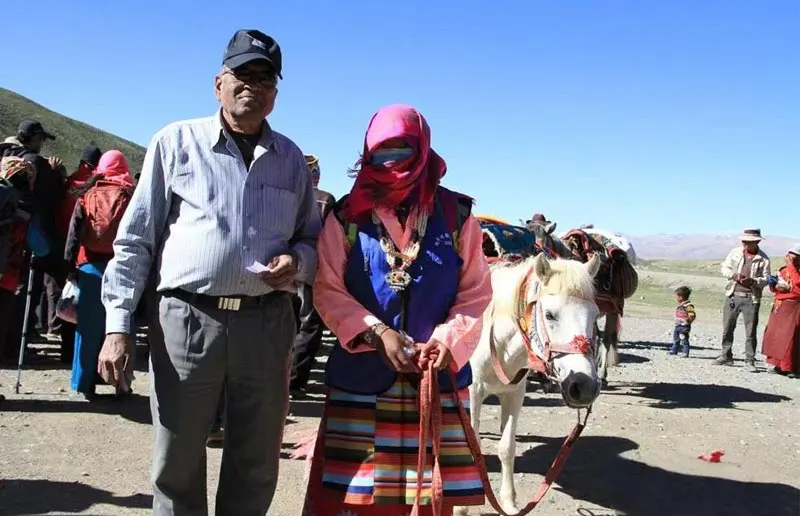
Additional personal expenses may include hiring a porter or horse during the Kailash Yatra. A porter costs approximately USD 80, and a horse costs about USD 250. Buying souvenirs will also add to your expenses. You may also want to budget for extra activities or sightseeing tours not included in your package.
No. All foreign travelers must join a Tibet tour organized by licensed agencies like ours. Only authorized agencies can arrange the required Tibet travel permits and documentation. The trip involves complex logistics, including visa and permit applications, transportation bookings, and accommodation planning. With our experience in organizing Kailash Mansarovar Yatra, we ensure a smooth, compliant, and safe pilgrimage. By choosing us, you can fully focus on the spiritual and cultural aspects of your journey.
When traveling from Qatar to Tibet, it’s essential to adapt to the high altitude to ensure a safe and comfortable journey. Gradual acclimatization is key; allow yourself several days at intermediate altitudes, such as in Lhasa, which sits at 3,650 meters, before venturing to higher areas like Mount Kailash. This gradual approach helps your body adjust to the lower oxygen levels. During this time, stay well-hydrated by drinking plenty of water to prevent dehydration, which can exacerbate altitude sickness. It’s also wise to avoid alcohol and tobacco, as these can impair your body’s ability to acclimate and may worsen symptoms. Focus on eating light, nutritious meals rich in carbohydrates and vegetables, and avoid heavy, fatty foods that can be harder to digest at high altitudes. Give your body plenty of rest and avoid strenuous activities during the first few days.
If you’re prone to altitude sickness, consider taking preventive medication like Diamox (acetazolamide), but consult your doctor first. Always monitor your health closely for symptoms of altitude sickness, such as headache, nausea, dizziness, and shortness of breath. If you experience severe symptoms, descend to a lower altitude immediately and seek medical attention. By taking these precautions, you can better adapt to the high altitude and enjoy your journey to Tibet.
For the Qatar to Tibet Kailash Mansarovar tour, you should pack a variety of items to ensure comfort and preparedness. Bring warm clothing, including thermal layers, a down jacket, and a warm hat and gloves, as temperatures can drop significantly at high altitudes. A sturdy, waterproof hiking backpack and comfortable hiking boots are essential for the trek. Pack a water bottle, snacks like energy bars, and a first-aid kit with essentials like pain relievers and altitude sickness medication. Also, bring a travel pillow, toiletries, and any personal items you might need. Lastly, ensure you have your passport, necessary permits, and copies of important documents.
Credit cards are accepted at some hotels and shops in major cities like Lhasa, but cash (in Chinese yuan) is a must in remote areas and along the pilgrimage route. It’s advisable to carry sufficient small-denomination cash and exchange money in advance in Lhasa.
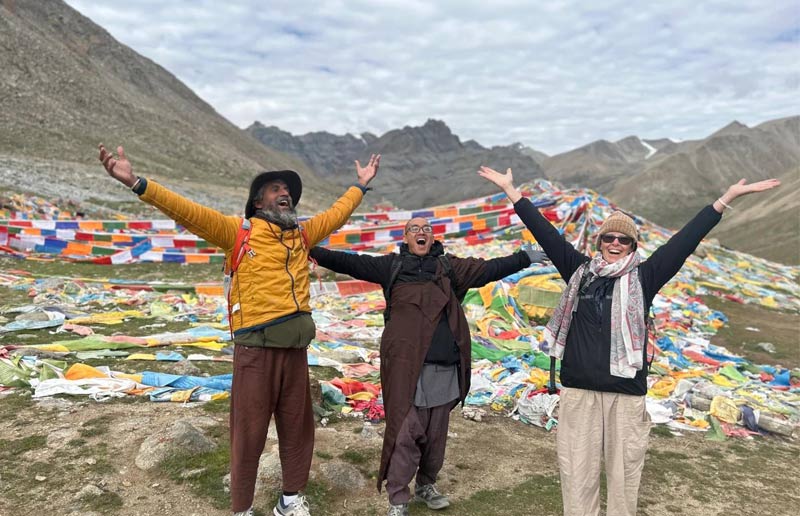
For Qatari nationals of Indian heritage, the Kailash Mansarovar Yatra represents a sacred journey that touches the soul. The physical challenges of high-altitude trekking are balanced by the breathtaking beauty of the Himalayan landscape and the deep spiritual resonance of the pilgrimage sites. With careful preparation regarding permits, route selection, and physical conditioning, what might initially seem daunting transforms into an achievable and profoundly rewarding experience. This guide has sought to provide comprehensive information while acknowledging that each pilgrim’s journey will be unique. Don’t hesitate to join us on a lifetime trip to the sacred grounds, where every step offers opportunities for personal growth and spiritual reflection.
7 years exp.| 5.0
 | 38 Reviews
Tell me about your travel plan or contact me via inquiry@tibettourism.com

 inquiry@tibettourism.com


















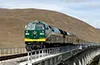
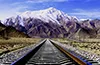
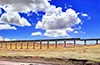




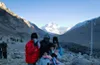













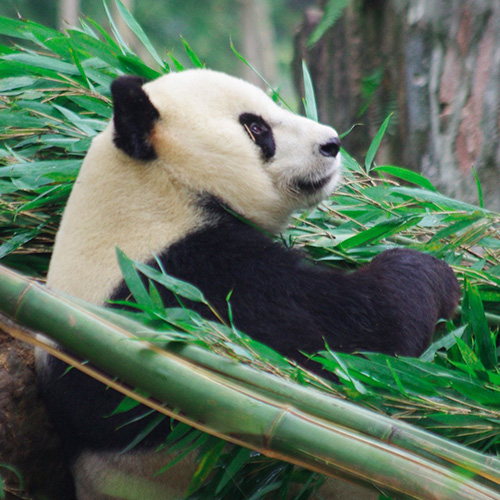






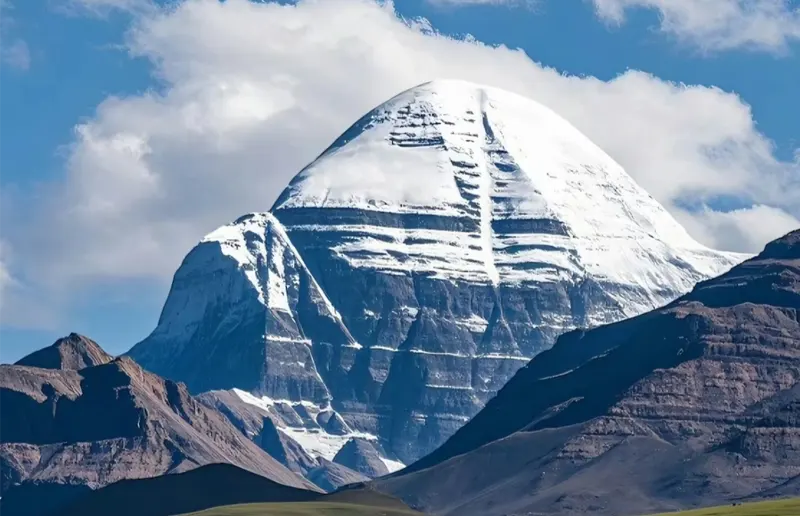 Traveling from Qatar to Mount Kaialsh in Tibet