Get a Quote
Menu

 Content
Mount Kailash has always attracted many believers and tourists, and the opening time every year is also an important moment for adventure enthusiasts. Today we bring you the latest news!
After the winter, Mt. Kailash will reopen on April 25, 2025. The legendary pilgrimage route will also be open soon, waiting for you to measure the majesty and magnificence of the sacred mountain. According to the news from the scenic spot, the first opening ceremony will be held on the same day. Welcome to participate!
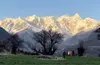
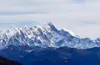
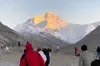
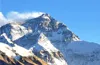
Mount Kailash is located in Purang County, Ngari Prefecture, Tibet, and is known as the "King of Holy Mountains". It is also recognized as the center of the world by Hinduism, Buddhism, Bonism, and Jainism. Mt. Kailash is not the highest peak in the Gangdise Mountains, but it is the only one with snow all year round. Its unique shape, which resembles a pyramid and a pagoda, makes people full of respect.
It is believed that one kora around Mt. Kailash can cleanse a pilgrim’s sins; completing ten koras can liberate one from the torments of hell for five hundred lifetimes, and completing one hundred koras may lead to enlightenment and immortality in this very life.
The Year of the Horse marks the birth and enlightenment of Sakyamuni. So, a kora done in horse year is said to increase a pilgrim’s merits twelve times, equivalent to completing thirteen koras in other years. Therefore, Kailash kora has become the wish of many believers.
The best time to do Kailash kora is between May and September each year. Starting in October, this activity will gradually end as the temperature begins to lower and Mt.Kailash enters winter.
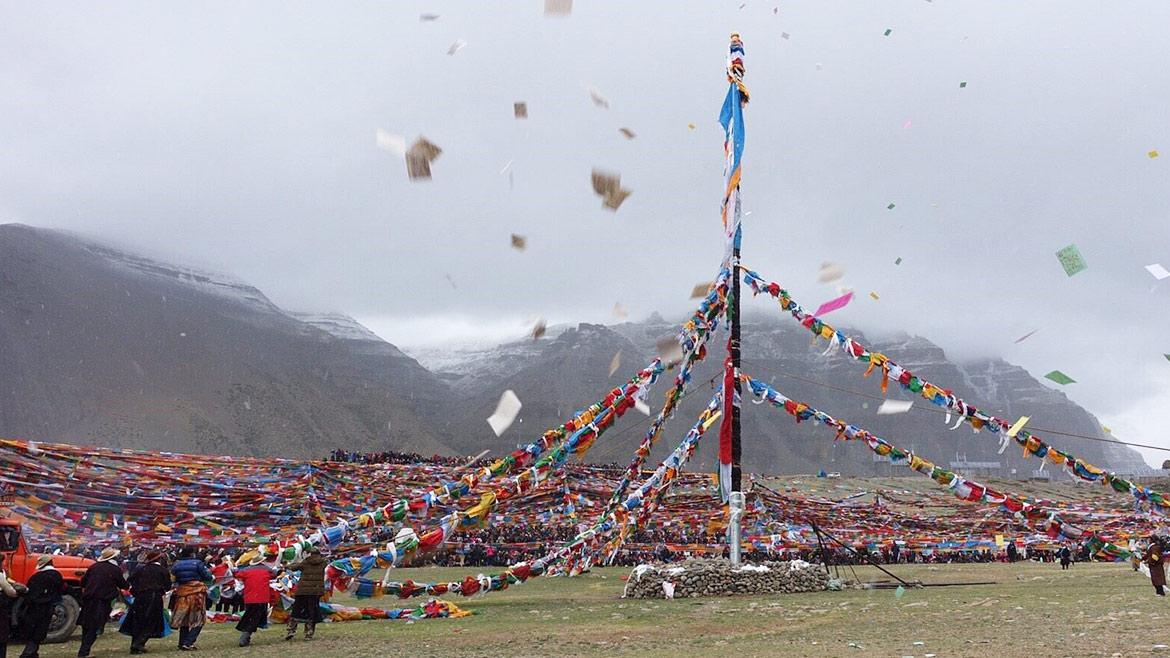
The weather from May to September is relatively warm, with moderate daytime temperatures and not too cold at night. Especially from mid-May to early June, it coincides with the Saga Dawa Festival, during which thousands of pilgrims gathering here to trek around Mout Kailash, chant sutras, and pray. You can also participate in the religious activities of the festival to experience a more cultural and religious atmosphere.
Features:
Most popular choice for explore Tibetan religious aspect
Gand religious celebration encountering
Fabulous snow-capped mountains and glaciers
Group size: Min.1 pax
Tour price: free enquire >
There are four main ways to allocate time depending on the kora route:
5:00 - Depart from Darchen
12:00 - Arrive at Dirapuk Monastery
16:00 - Cross to the highest point of the kora - Dolma La Pass (5630m)
22:00 - Return to Darchen
Day 1: Darchen - Dirapuk Monastery (drive 7km, trek 13km)
9:00 - After breakfast, depart from Darchen
10:00 - Arrive at the Prayer Square (Tarboche)
11:00 - Go forward to Two Legs Pagoda (Yam Dwar)
12:00 - Arrive at Qugu Temple
In the afternoon, we will continue to the Dirapuk Monastery and stay overnight. You can see the north face of
Mount Kailash and enjoy the beautiful sunset.
Day 2: Dirapuk Monastery - Darchen
5:00 - Start the journey after watching the sunrise at Dirapuk Monastery
10:00 - Arrive at the highest point of the kora - Dolma La Pass (5630m)
12:00-19:00 - Pass two supply points on the way
19:00-20:00 - Return to Darchen
Day 1: Darchen - Dirapuk Monastery (drive 7km, trek 13km)
Day 2: Dirapuk Monastery - Dzultripuk Monastery (trek 24km)
8:00 - Depart from Dirapuk Monastery
12:00 - Arrive at Dolma La Pass
14:00 - Arrive at the Budong Diding, where you can take a short rest and recover your strength
16:00 - Arrive at the teahouse
18:00 - Arrive at Dzultripuk Monastery and stay overnight
Day 3: Dzultripuk Monastery - Darchen(trek 6km, drive 4km)
Day 1: Darchen - Dirapuk Monastery (drive 7km, trek 13km)
Day 2: Dirapuk Monastery - North Slope of Mt.Kailash - Dirapuk Monastery (trek 24km)
You will start from Dirapuk Monastery and trek 3km to the north slope of Mt.Kailash. You will also have the
opportunity to touch the hard rock walls of the sacred mountain, and then return to Dirapuk Monastery.
Day 3: Dirapuk Monastery - Dzultripuk Monastery (trek 24km)
Day 4: Dzultripuk Monastery - Darchen (trek 6km, drive 4km)
The most important problems you have to face during the trek are high altitude and physical conditions.
High Altitude: Mount Kailash stands at around 6,600 meters, and the trekking route ranges from 4,500 to 5,600 meters in altitude—much higher than what most people are used to. For many, the high altitude is a major challenge.
Countermeasures:
1.Prepare for altitude sickness: Consult a doctor before the trip to learn prevention tips and consider bringing
medicine like Rhodiola.
2.Take it slow: Avoid rapid ascents and rest often to help your body adjust.
3.Stay hydrated and well-nourished: High altitudes cause faster loss of water and electrolytes, so drink plenty of
water and eat well.
Physical Conditions: Trekking around Mt. Kailash is not an easy hike - it needs good physical strength. The trek usually takes about three days, with long distances each day. Many parts of the path are rough and the high-altitude environment is tough.
Countermeasures:
1.Plan wisely: Set a reasonable daily schedule and rest time to avoid overexertion.
2.Bring high-energy food: The plateau uses up a lot of energy, so pack high-calorie snacks like nuts, energy bars,
and chocolate.
3.Get enough rest: Make sure to get enough sleep each night to regain strength.
4.If you can't handle the altitude, consider hiring a porter to help you or ask someone to do it for you.
Foreign Travelers: Passport, Chinese Visa, Tibet Travel Permit, Aliens’ Travel Permit, and Military Area Entry
Permit.
Taiwanese Compatriots: Taiwan Compatriot Card, Tibet Travel Permit, Military Area Entry Permit, and Border
Permit.
Hong Kong/Macao Residents: Home Return Permit and Border Permit.
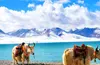
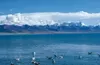
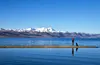
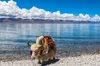
Mansarovar is one of the most sacred lakes in the world. Along with Mt.Kailash, it is known as the Sacred Mountain and Holy Lake. For Hindus, it holds great religious importance. The lake is clear, surrounded by snowy mountains, and a peaceful place to stop and pray.
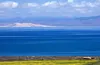
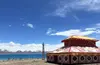
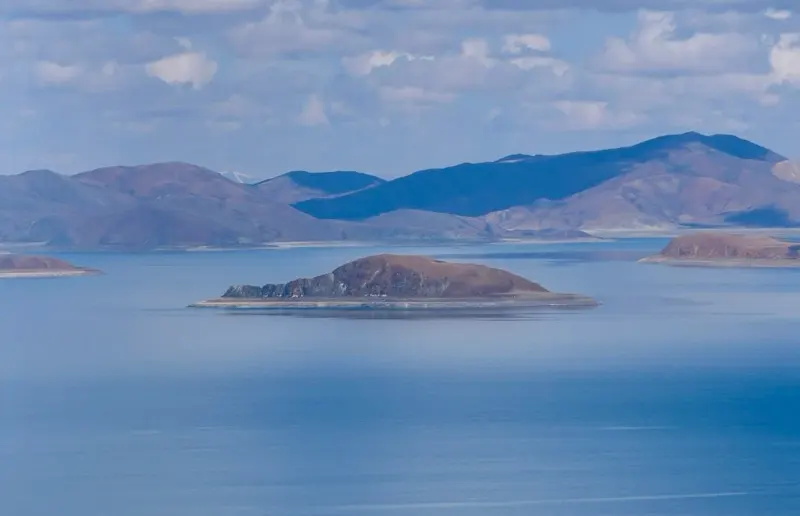
Lake Lhanag-tso, or the “Ghost Lake”, sits across the road from the holy lake Mansarovar, but looks very different. Despite its name, it has both natural beauty and religious meaning. It reflects Tibetan culture and beliefs, and is a must-see for those wanting to explore Tibetan spiritual life.
With the arrival of April 25, Mt. Kailash will welcome tourists and pilgrims from around the world again. The magnificent mountains, long-standing culture, and profound religious heritage here will surely become an unforgettable part of your memory. Don’t miss this special chance - plan your Kailash tour now and begin an unforgettable journey of nature and spirit!
15 years exp.| 5.0
 | 40 Reviews
Tell me about your travel plan or contact me via inquiry@tibettourism.com

 inquiry@tibettourism.com






















































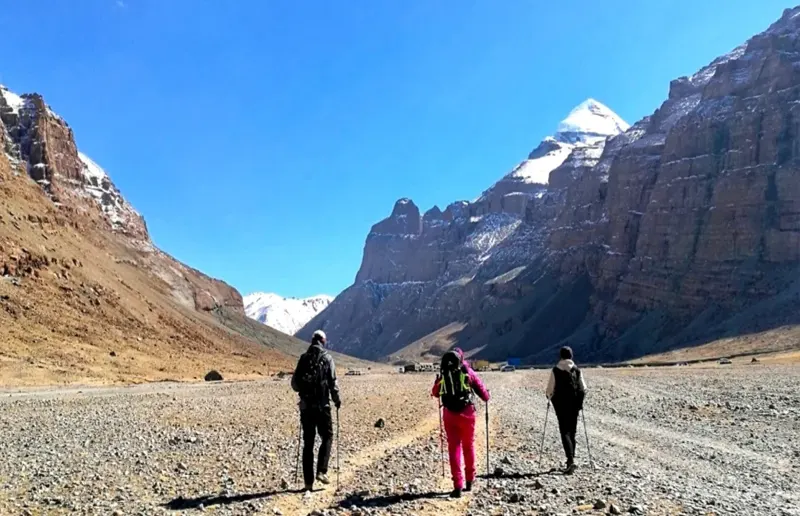 The Significant Mt.Kailash Kora

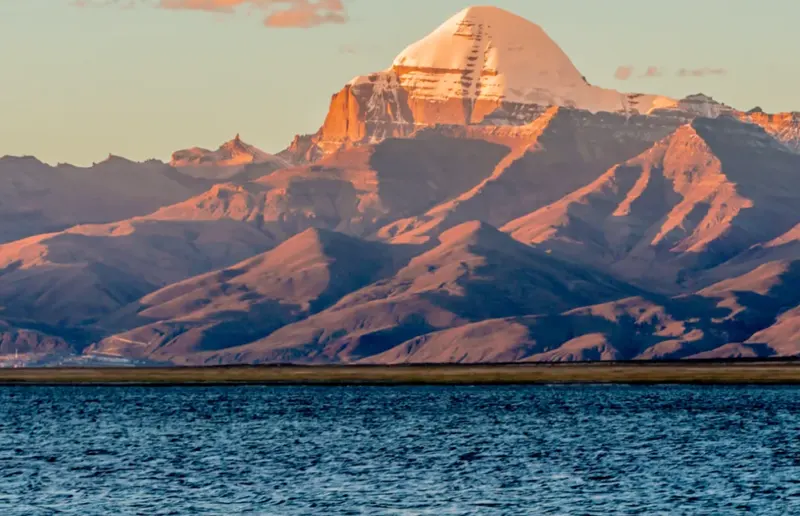 Mount Kailash and Lake Mansarovar
 Lake Lhanag-tso